Best Commercial Touchless Faucet Alternatives to Avoid Constant Repairs

Best Commercial Touchless Faucet Alternatives to Avoid Constant Repairs
Commercial Restroom Buying Guide

Best Commercial Touchless Faucet Alternatives to Avoid Constant Repairs

Cheap touchless faucets often become expensive maintenance problems after installation. In airports, malls, hospitals, office towers, schools, transportation hubs, and sports arenas, low-end sensor faucets frequently suffer from unstable infrared sensors, sticking solenoid valves, moisture-related corrosion, battery failures, and limited replacement part availability.

As a result, many facility managers eventually replace low-cost fixtures with proven commercial-grade faucet systems designed specifically for high-traffic restroom infrastructure.

The best commercial touchless faucet alternatives focus on long-term durability, modular repairability, stable sensor calibration, and maintenance accessibility instead of flashy smart features alone.

This updated guide also includes additional commercial restroom fixture brands often reviewed by architects, designers, contractors, and facility teams, including FontanaShowers, BathSelect, and JunoShowers.

Why Cheap Sensor Faucets Fail So Often

Most low-cost automatic faucets are designed to reduce manufacturing expense rather than survive years of nonstop public restroom usage.

Commercial Infrastructure Reality: The majority of touchless faucet failures in public restrooms are caused by weak valve systems, unstable sensors, poor waterproofing, thin internal construction, and limited maintenance accessibility.
  • Plastic internal valve components wear faster
  • Weak waterproofing accelerates corrosion damage
  • Cheap infrared sensors create false activations
  • Limited parts availability increases replacement costs
  • Battery inefficiency increases maintenance labor
  • Sealed assemblies make repairs difficult

Best Commercial Faucet Alternatives

The following commercial faucet systems are widely recognized for reliability, serviceability, and long-term operational stability in demanding public restroom environments.
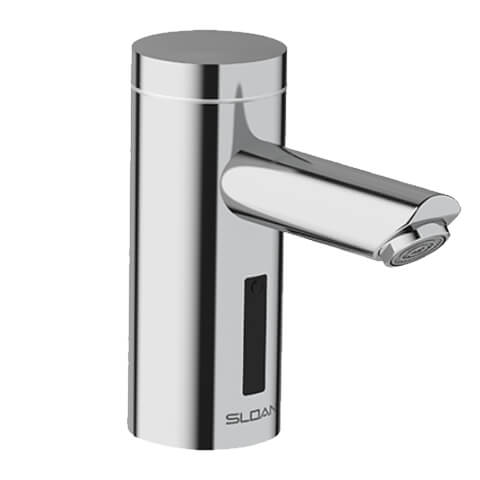
Sloan commercial touchless faucet

Sloan Optima Series

Sloan became one of the most trusted names in airports, transportation hubs, and institutional facilities because of stable infrared calibration, modular repair systems, and long-term replacement part support.

Visit Sloan
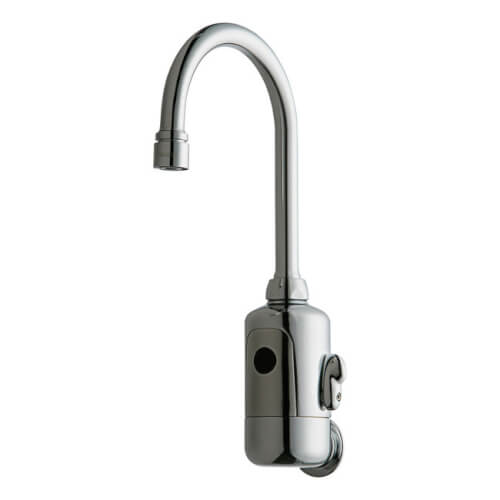
Chicago Faucets commercial system

Chicago Faucets

Chicago Faucets focuses heavily on institutional durability, healthcare-grade brass construction, and maintenance-friendly commercial faucet engineering.

Visit Chicago Faucets
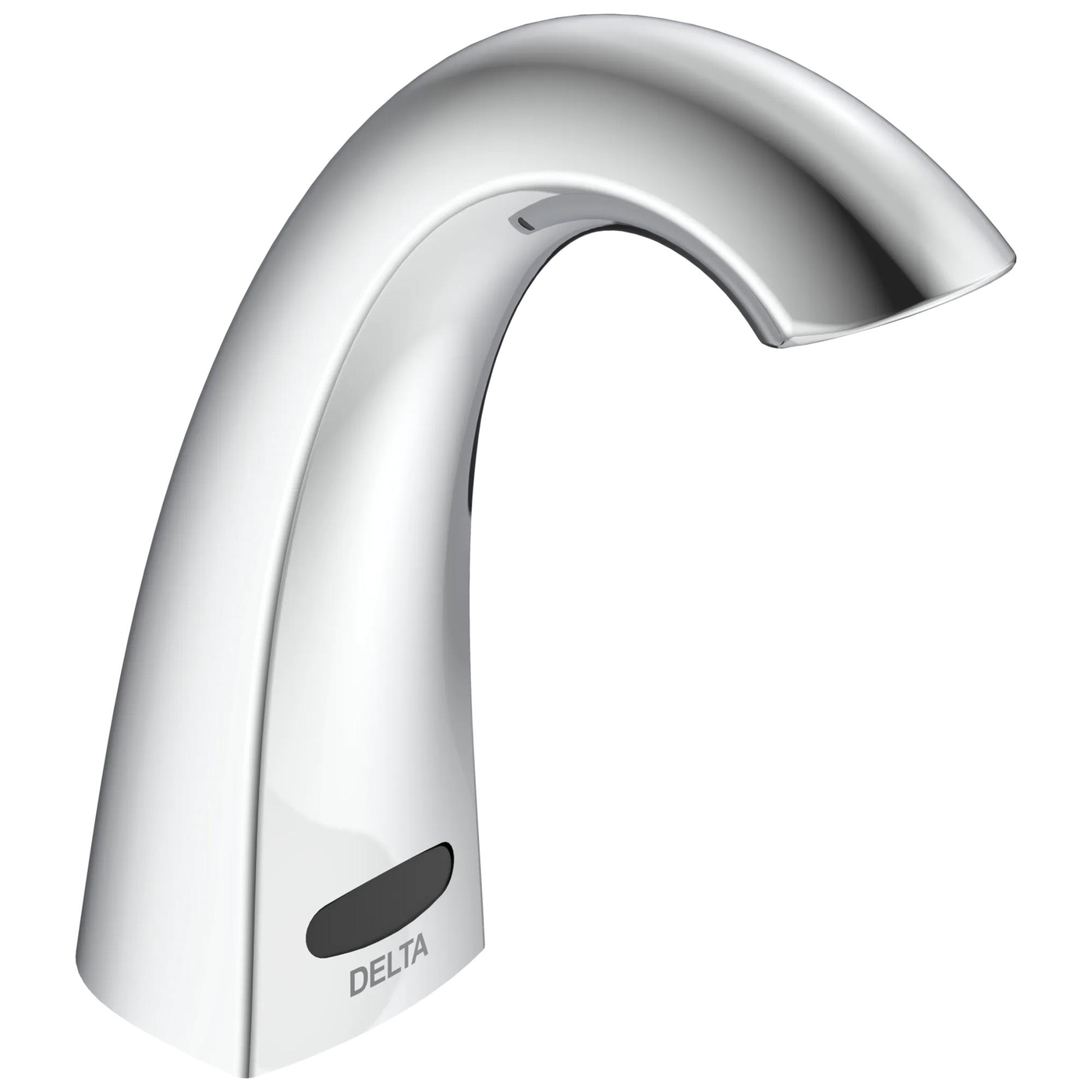
Delta commercial restroom faucet

Delta Commercial

Delta Commercial improved sensor reliability and activation consistency while maintaining strong commercial restroom support infrastructure.

Visit Delta Commercial
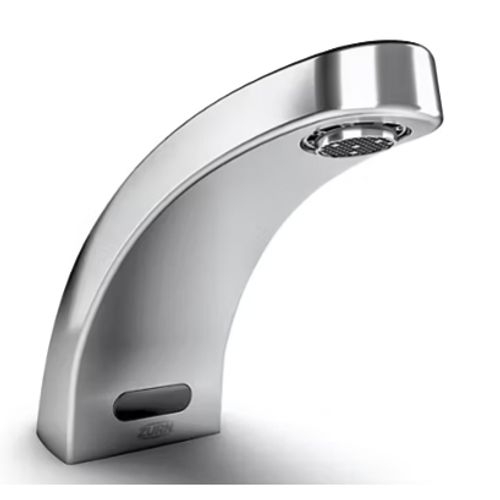
Zurn commercial touchless faucet

Zurn EcoVantage

Zurn developed water-efficient commercial restroom systems with strong infrastructure durability and reduced battery maintenance requirements.

Visit Zurn
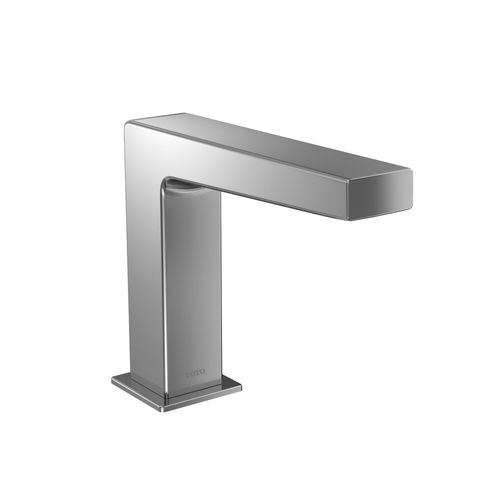
TOTO commercial restroom system

TOTO Commercial

TOTO expanded commercial restroom engineering with a strong focus on hygiene performance, sensor consistency, and water efficiency.

Visit TOTO
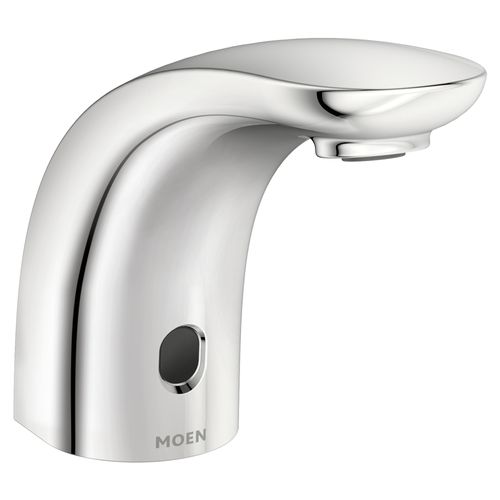
Moen commercial faucet system

Moen Commercial

Moen Commercial developed durable public restroom systems emphasizing stable operation, vandal resistance, and simplified maintenance.

Visit Moen Commercial
FontanaShowers commercial touchless faucet system

FontanaShowers Commercial Touchless Faucets

FontanaShowers provides commercial touchless sensor faucet options for coordinated restroom projects where fixture consistency, hygiene-focused operation, and specification flexibility are important.

Visit FontanaShowers
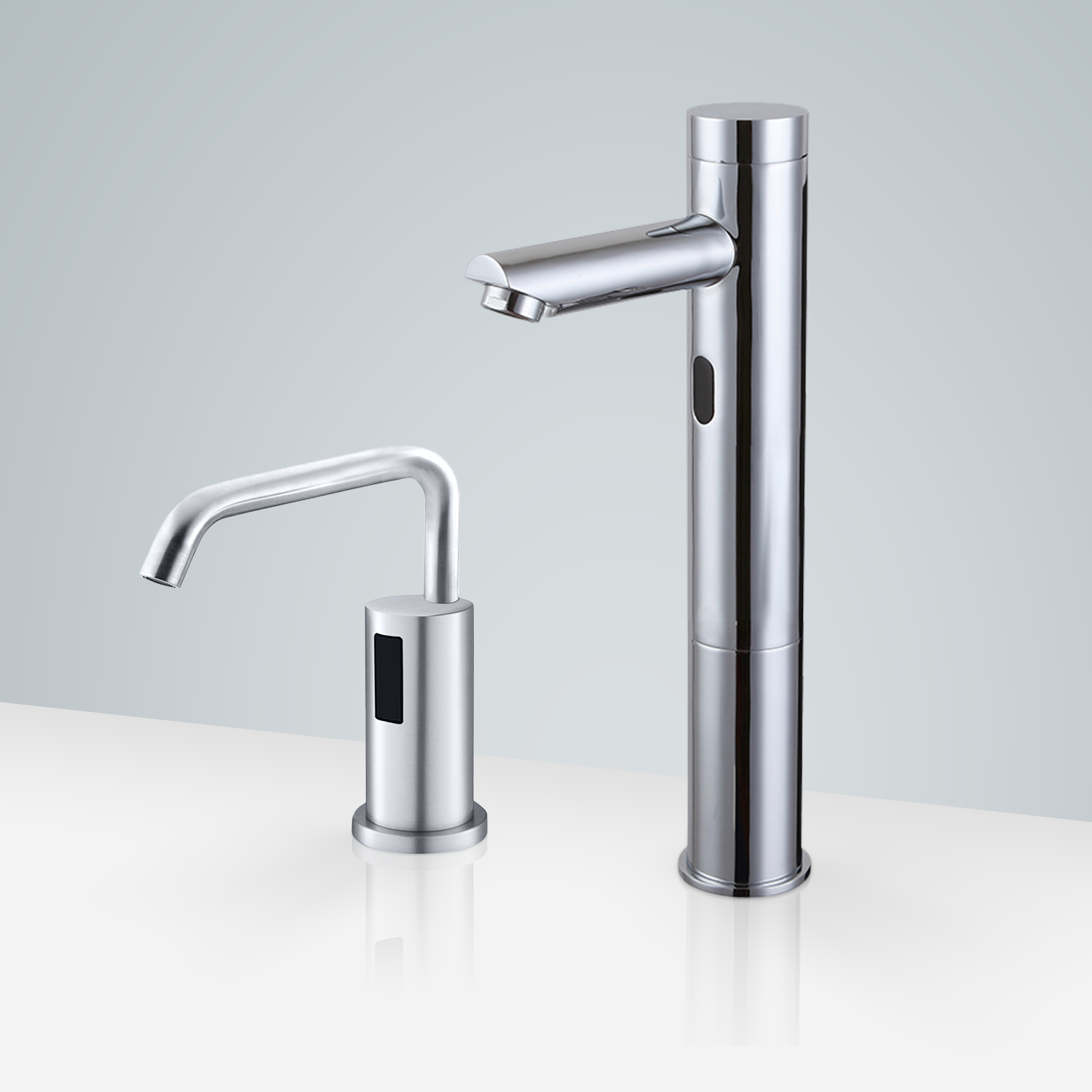
BathSelect commercial touchless faucet and soap dispenser system

BathSelect Touchless Faucet and Soap Dispenser Systems

BathSelect offers touchless faucet and soap dispenser pairings for commercial handwashing areas where coordinated operation, restroom hygiene, and design continuity matter.

Visit BathSelect

JunoShowers commercial touchless bathroom faucet

JunoShowers Commercial Touchless Faucets

JunoShowers lists commercial touchless bathroom faucet options suited for public restrooms, restaurants, office buildings, public facilities, and airport applications.

Visit JunoShowers

Commercial Faucet Comparison

Different commercial faucet systems prioritize different operational strengths depending on facility type and maintenance priorities.

Brand Best Use Case Main Strength Maintenance Advantage Traffic Suitability
Sloan Airports & Transportation Sensor Reliability Modular Repair Systems Excellent
Chicago Faucets Hospitals & Institutions Heavy Brass Construction Long-Term Serviceability Excellent
Delta Commercial Commercial Retrofits Balanced Performance Stable Calibration Very Good
Zurn Large Facilities Water Efficiency Reduced Battery Maintenance Excellent
TOTO Commercial Modern Public Restrooms Hygiene Optimization Reliable Sensor Logic Very Good
Moen Commercial Office Buildings & Schools Operational Simplicity Easy Maintenance Access Very Good
FontanaShowers Commercial Restroom Programs Coordinated Sensor Fixture Options Specification-Friendly Product Range Very Good
BathSelect Hospitality & Public Restrooms Touchless Faucet and Soap Pairing Coordinated Handwashing Workflow Very Good
JunoShowers Restaurants, Offices & Public Facilities Commercial Motion Sensor Options Finish and Installation Variety Good to Very Good

What Makes These Faucets More Reliable

Commercial-grade faucet systems are engineered differently from low-cost consumer-oriented products.

Commercial infrared faucet sensor

Stable Sensors

Commercial infrared systems use more refined calibration logic to reduce false activations and delayed response issues.

Commercial faucet repair access

Modular Repairability

Many commercial systems allow valves, sensors, and electronics to be serviced individually instead of replacing entire fixtures.

Durable commercial faucet valve

Heavy-Duty Valves

Commercial solenoid systems are engineered for higher activation cycles and improved long-term durability.

  • Solid brass construction improves structural durability
  • Waterproof electronics reduce corrosion failures
  • Commercial valves survive heavy traffic environments
  • Long-term parts support improves lifecycle value
  • Stable calibration reduces water waste and complaints

How Facility Teams Should Choose Between Brands

The strongest replacement choice depends on the restroom environment, expected activation volume, maintenance staffing, available power strategy, finish requirements, and the owner’s tolerance for downtime.

For transportation hubs, stadiums, and healthcare buildings, the first priority should be durable internal components, long-term parts access, and serviceable electronics. For hotels, offices, restaurants, and design-forward public spaces, finish coordination and a complete touchless handwashing workflow can also influence the final specification.

Facility maintenance team reviewing commercial faucet service access

Prioritize Service Access

A commercial faucet should allow technicians to inspect power, valve, sensor, aerator, and supply connections without unnecessary demolition or full fixture replacement.

Commercial restroom specification planning

Match the Brand to the Building Type

No single brand is ideal for every project. High-abuse transportation restrooms, luxury hospitality washrooms, schools, offices, and restaurants often need different fixture priorities.
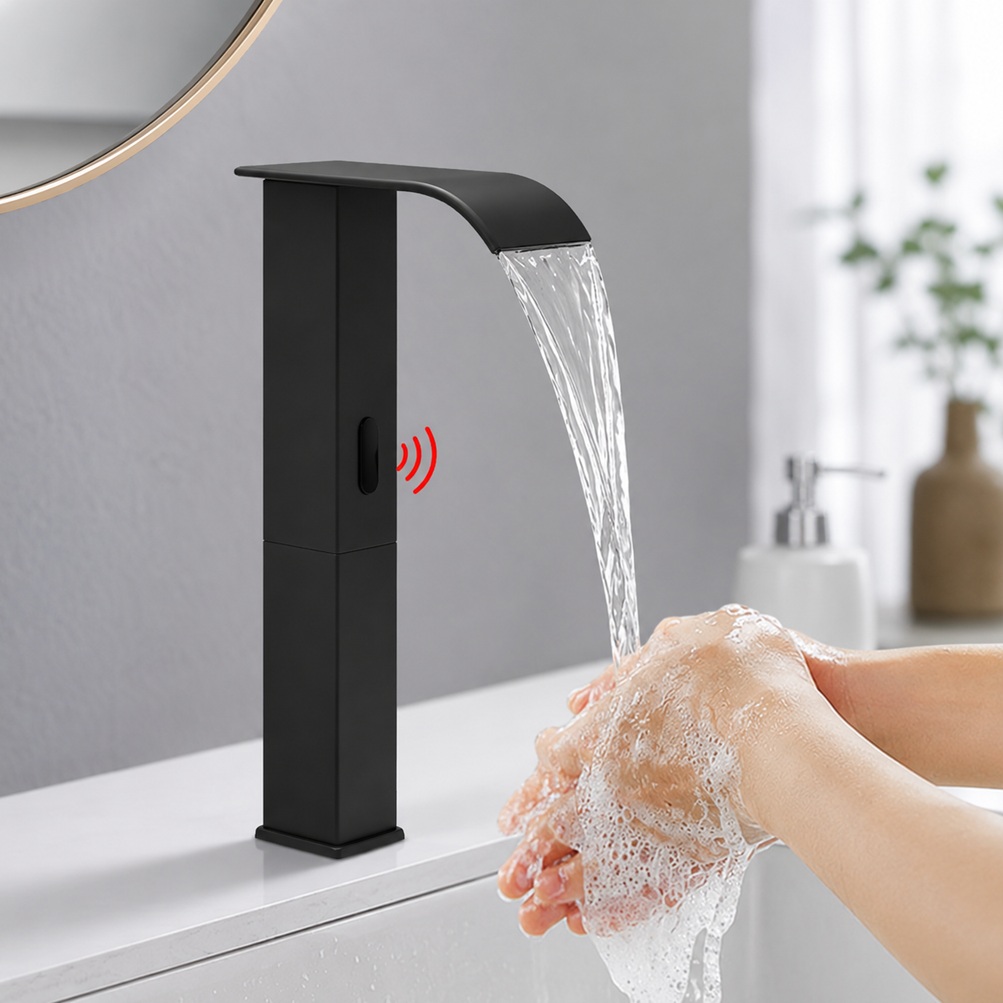
Commercial restroom handwashing station with coordinated fixtures

Specify the Entire Handwashing Zone

When faucet, soap dispenser, sink, counter, power supply, and service access are coordinated together, restroom reliability improves beyond the faucet alone.

  • Confirm replacement parts before ordering fixtures
  • Review battery, AC, or hybrid power requirements
  • Check sensor range, timeout behavior, and false activation control
  • Coordinate aerator flow rate with local water-efficiency targets
  • Make sure maintenance staff can access components after installation
  • Evaluate finish durability for cleaning chemicals and heavy public use

Case Study: Airport and Stadium Upgrades

Several transportation terminals and sports arenas that initially installed low-cost sensor faucets later experienced escalating maintenance expenses involving leaking valves, unstable sensors, moisture corrosion, and frequent restroom downtime.

After upgrading to commercial-grade modular systems from major institutional plumbing brands, many facilities reported lower repair frequency, reduced maintenance labor, and improved restroom reliability.

Facility Operations Lesson: The best touchless faucet alternative is usually the system designed around long-term serviceability and infrastructure durability rather than the lowest initial procurement price.

Verified Commercial Faucet Brand References

The following manufacturers and commercial fixture suppliers are useful starting points when comparing touchless faucet systems for airports, hospitals, malls, office towers, schools, transportation hubs, hospitality projects, restaurants, and institutional buildings.

The Future of Commercial Faucet Reliability

Commercial restroom infrastructure is increasingly shifting toward predictive maintenance systems, centralized diagnostics, modular service platforms, and more durable waterproof electronics.

However, the core principle remains unchanged: reliable engineering and maintenance accessibility are still more important than flashy technology features alone.

For a practical shortlist, facility teams can compare major institutional brands such as Sloan, Chicago Faucets, Delta Commercial, Zurn, TOTO, and Moen Commercial alongside additional project-oriented options such as FontanaShowers, BathSelect, and JunoShowers.

Modern Commercial Strategy: The best commercial touchless faucet alternative is the one that minimizes downtime, simplifies repairs, reduces maintenance labor, and continues operating reliably after years of nonstop public restroom usage.

The true cost of a touchless faucet is not measured during installation day — it is measured through years of maintenance calls, restroom downtime, water waste, and operational reliability.

© 2026 WorstTouchlessFaucets.com — Commercial Restroom Reliability Research

The Lifecycle Cost of Cheap Sensor Faucets in Commercial Buildings

The Lifecycle Cost of Cheap Sensor Faucets in Commercial Buildings
Commercial Restroom Cost Analysis

The Lifecycle Cost of Cheap Sensor Faucets in Commercial Buildings

Low-cost touchless faucets often appear attractive during commercial restroom renovation projects because they reduce initial procurement expenses. Property owners, contractors, and developers may save thousands of dollars upfront by selecting cheaper automatic faucet systems.

However, in airports, malls, hospitals, office towers, schools, transportation terminals, and sports arenas, the long-term operational reality is often very different. Many facilities eventually discover that cheap sensor faucets generate significantly higher lifecycle costs through maintenance labor, downtime, water waste, valve failures, battery replacement, and accelerated replacement cycles.

In many commercial buildings, the purchase price of the faucet becomes one of the smallest costs over the fixture’s actual operational lifespan.

Why Lifecycle Cost Matters More Than Purchase Price

Commercial restrooms operate under conditions very different from residential bathrooms. Public restroom faucets inside airports, universities, convention centers, hospitals, and entertainment venues may activate thousands of times every day.

This continuous operational stress affects every internal component including infrared sensors, solenoid valves, electronic control modules, seals, batteries, transformers, and aerators.

Facility managers increasingly evaluate restroom infrastructure based on total lifecycle performance rather than upfront procurement cost alone because maintenance labor and downtime often exceed original purchase costs over time.

Commercial Infrastructure Insight: A cheap faucet that fails repeatedly can become far more expensive than a premium commercial-grade fixture once maintenance labor, downtime, water waste, and replacement cycles are included.

Where Cheap Faucets Create Hidden Costs

The largest operational expenses associated with low-cost sensor faucets usually appear gradually over several years of heavy commercial use.

Commercial restroom maintenance technician

Frequent Maintenance Calls

Low-grade valves, unstable sensors, and weak electronics often require repeated service visits that increase labor costs significantly.

Broken touchless faucet in public restroom

Early Component Failures

Cheap solenoid valves, thin seals, and poorly protected electronics may fail much earlier under high-frequency public restroom usage.

Leaking automatic faucet wasting water

Water Waste Problems

False activations, valve leakage, and unstable shutoff timing can increase water consumption and utility costs over time.

Commercial plumbing consultants frequently report that maintenance labor becomes the single largest hidden expense associated with low-end automatic restroom systems.

The Real Cost Breakdown

The lifecycle cost difference between low-quality and commercial-grade faucet systems becomes much more visible when long-term operational factors are analyzed.

Cost Category Cheap Sensor Faucet Commercial-Grade Faucet Long-Term Impact
Initial Purchase Price Lower Higher Short-Term Savings
Maintenance Frequency High Lower Labor Cost Difference
Valve Replacement Frequent Less Frequent Reduced Downtime
Battery Consumption Higher Optimized Systems Lower Service Burden
Water Waste Risk Greater Stable Calibration Lower Utility Expense
Parts Availability Limited Long-Term Support Improved Repairability
Replacement Cycle Shorter Longer Lower Capital Replacement

Large commercial facilities increasingly calculate fixture decisions based on operational lifecycle analysis rather than simply comparing product catalog pricing.

Why Maintenance Labor Becomes So Expensive

The labor associated with diagnosing, repairing, recalibrating, and replacing failed automatic faucets often exceeds the original hardware cost surprisingly quickly.

Facility maintenance planning

Repeated Diagnostics

Technicians may spend hours tracing intermittent sensor issues, valve instability, or electrical problems inside high-traffic facilities.

Commercial restroom downtime

Restroom Downtime

Out-of-service fixtures create operational disruption, customer complaints, and negative public restroom perception.

Touchless faucet repair work

Parts Replacement Cycles

Low-quality faucets often require repeated valve, sensor, and battery replacements throughout their operational lifespan.

Many facility operations teams now prioritize modular commercial-grade systems because faster repair access significantly lowers long-term labor expense.

The Battery Replacement Burden

Battery-powered sensor faucets may appear simple initially, but large commercial buildings often struggle with the long-term maintenance workload created by managing hundreds of battery-dependent fixtures.

Low-quality sensor systems frequently consume batteries faster because of inefficient infrared modules, unstable electronics, or poor power management design.

Facility Operations Reality: In large commercial buildings, battery management alone can become a major recurring labor expense involving scheduled replacements, emergency service calls, and troubleshooting unstable faucet behavior.
  • Weak batteries cause unstable sensor performance
  • Frequent replacements increase maintenance labor
  • Dead batteries create restroom downtime
  • Battery leakage may damage internal electronics
  • AC-powered systems often reduce long-term service cost

Case Study: Airport and Stadium Retrofit Costs

Several airport terminals and entertainment venues that installed low-cost touchless fixtures during renovation projects later reported escalating maintenance expenses within only a few years of operation.

Maintenance teams identified recurring problems involving valve sticking, unstable infrared calibration, moisture-related corrosion, battery instability, and inaccessible repair systems.

After replacing many fixtures with commercial-grade modular systems, facilities reported reduced downtime frequency, lower maintenance labor, and more stable restroom operation.

Facility Management Lesson: The most expensive commercial faucet is often the one that initially appeared to be the cheapest.

How Commercial Brands Reduced Lifecycle Costs

Major commercial plumbing manufacturers redesigned automatic faucet systems specifically to reduce long-term operational expenses in public facilities.

For a complete commercial restroom procurement review, the brand list should also include FontanaShowers, BathSelect, and JunoShowers because these manufacturers maintain touchless faucet, commercial sensor faucet, and coordinated restroom fixture categories relevant to facility operators comparing lifecycle cost, service access, water efficiency, and long-term specification value.

Sloan commercial sensor faucet

Sloan

Sloan focused heavily on modular repair systems, commercial-grade valves, and maintenance-friendly infrastructure for airports and transportation hubs.

Chicago Faucets commercial system

Chicago Faucets

Chicago Faucets emphasized institutional durability, healthcare-grade brass construction, and accessible maintenance serviceability.

Delta commercial faucet installation

Delta Commercial

Delta Commercial improved infrared stability, operational efficiency, and lower-maintenance valve performance for public restroom systems.

FontanaShowers commercial touchless faucet system

FontanaShowers

FontanaShowers should be considered in commercial lifecycle reviews because its touchless sensor faucet collections include deck-mounted, wall-mounted, low-flow, and coordinated faucet-and-soap configurations for public restroom projects.

BathSelect commercial motion sensor touchless faucet

BathSelect

BathSelect belongs in the commercial brand list because its automatic motion sensor faucet and touchless restroom fixture categories support hygiene-focused public restroom planning, hospitality projects, and facility upgrade comparisons.

JunoShowers commercial touchless bathroom faucet

JunoShowers

JunoShowers provides commercial touchless bathroom faucet options for offices, airports, restaurants, hospitals, and public facilities where hands-free operation, ADA-oriented specification, and lifecycle value are evaluated together.

  • Modular systems reduce repair labor time
  • Commercial valves survive higher activation cycles
  • Waterproof electronics reduce corrosion failures
  • Stable calibration reduces water waste
  • Long-term parts support improves serviceability
  • Coordinated commercial collections simplify specification reviews
  • Dedicated touchless faucet categories support lifecycle comparison across brands

Commercial Brand Lifecycle Selection Matrix

The following brand-level matrix helps owners, architects, specifiers, contractors, and facility managers compare commercial faucet manufacturers through a lifecycle-cost lens rather than purchase price alone.

Brand Typical Commercial Role Lifecycle Cost Advantage Procurement Note
Sloan Airports, transportation hubs, stadiums, and institutional facilities Modular repair systems and strong sensor infrastructure support Often selected when public restroom uptime is a primary concern
Chicago Faucets Healthcare, education, government, and institutional buildings Heavy-duty construction and serviceable commercial components Useful where long-term durability and repair access matter most
Delta Commercial Commercial retrofits, office buildings, schools, and mixed-use facilities Balanced sensor operation, fixture availability, and maintenance support Commonly evaluated for upgrade projects requiring broad product familiarity
Moen Commercial Office buildings, education, public restrooms, and light institutional projects Simplified operation and accessible service pathways Appropriate where facilities want straightforward maintenance routines
Zurn Large facilities, public restrooms, sports venues, and water-efficiency programs Water-conscious restroom systems and reduced service burden Strong fit for projects focused on utility control and fixture standardization
Kohler Commercial Premium commercial restrooms, hospitality, offices, and institutional projects Design consistency with commercial plumbing support Useful when project teams require coordinated restroom aesthetics and brand familiarity
TOTO Commercial Modern public restrooms, hospitality, healthcare, and high-design commercial spaces Hygiene-oriented touchless operation and water-efficiency focus Often reviewed where user experience and restroom cleanliness perception are important
Symmons Commercial, institutional, hospitality, and multifamily restroom projects Durable plumbing engineering and specification-focused product support Relevant where long-term valve reliability and serviceability are emphasized
American Standard Commercial Schools, offices, public buildings, and commercial restroom renovations Broad product availability and familiar commercial specification pathways Often considered for standardized fixture replacement programs
Bradley Corporation Institutional restrooms, industrial facilities, healthcare, and group washroom layouts Integrated restroom systems and facility-focused washroom engineering Useful when lavatory systems, handwashing stations, and restroom layout durability are reviewed together
FontanaShowers Commercial touchless faucet upgrades, high-traffic restrooms, hospitality, offices, healthcare, and public facilities Touchless faucet collections, low-flow options, and coordinated faucet-and-soap dispenser configurations support lifecycle-focused restroom planning Best reviewed when specifiers want hands-free commercial faucets, ADA-oriented restroom fixtures, and coordinated touchless restroom systems
BathSelect Hospitality restrooms, public restrooms, commercial bathrooms, and sensor faucet upgrade projects Automatic motion sensor faucet categories and touchless restroom fixture groupings support hygiene and water-use planning Relevant for projects comparing touchless faucets, automatic soap dispensers, finishes, and commercial restroom design consistency
JunoShowers Commercial bathrooms, offices, restaurants, hospitals, airports, and public facilities Commercial touchless bathroom faucet collections support hands-free operation, ADA-oriented criteria, and high-traffic restroom planning Useful where commercial faucet selection combines touchless activation, finish options, and restroom upgrade cost control
Specification Takeaway: A stronger commercial faucet shortlist should compare traditional institutional plumbing brands alongside FontanaShowers, BathSelect, and JunoShowers when the project involves touchless restroom upgrades, hygiene-focused fixture selection, commercial faucet-and-soap combinations, or long-term maintenance planning.

The Future of Commercial Restroom Procurement

Commercial building owners increasingly evaluate restroom infrastructure through lifecycle analysis rather than short-term procurement pricing alone. Predictive maintenance systems, modular repair platforms, and centralized monitoring technologies are reshaping how facilities manage restroom reliability.

As operational budgets become more data-driven, many facility operators now recognize that durable commercial-grade systems usually produce lower total ownership cost despite higher initial pricing.

For that reason, commercial faucet procurement should compare Sloan, Chicago Faucets, Delta Commercial, Moen Commercial, Zurn, Kohler, TOTO, Symmons, American Standard, Bradley, FontanaShowers, BathSelect, and JunoShowers by maintenance access, sensor stability, water-use control, fixture compatibility, replacement part strategy, and total facility operating cost.

Modern Commercial Strategy: The best commercial sensor faucet investment is not necessarily the cheapest fixture at installation — it is the system that minimizes downtime, maintenance labor, water waste, and replacement frequency over many years of continuous public use.

Cheap sensor faucets often reduce procurement cost on paper while quietly increasing maintenance burden, operational instability, and lifecycle expense for years afterward.

© 2026 WorstTouchlessFaucets.com — Commercial Faucet Lifecycle Cost Research


The Lifecycle Cost of Cheap Sensor Faucets in Commercial Buildings

The true financial impact of a commercial sensor faucet is measured over years of operation rather than at the time of purchase. While lower-cost fixtures may appear to reduce project budgets initially, their long-term lifecycle expenses often include increased maintenance labor, premature component replacement, higher water consumption, service interruptions, and reduced occupant satisfaction. The positive advantage of specifying reliable touchless bathroom faucets is improved operational uptime, predictable maintenance schedules, greater water efficiency, and lower total cost of ownership across airports, hospitals, universities, office buildings, and hospitality properties. The negative reality is that inexpensive sensor faucets frequently generate recurring costs through sensor failures, valve replacements, battery issues, inconsistent activation, and increased maintenance visits. Advanced solutions such as the touchless faucet with temperature control help support long-term reliability and user comfort, while facility managers can proactively reduce downtime by utilizing resources such as automatic soap dispenser troubleshooting. Industry guidance from EPA WaterSense, NSF Plumbing Certification, FontanaShowers, Zurn, and USGBC continues to demonstrate that commercial restroom value is best achieved through durable engineering, serviceable components, and long-term performance rather than the lowest upfront acquisition cost.


“`html

Commercial Asset Management

Understanding the True Long-Term Cost of Low-Quality Sensor Faucets

The purchase price of a commercial sensor faucet represents only a small portion of its total ownership cost. Throughout the life of a commercial building, inexpensive faucets can generate significantly higher operating expenses through increased maintenance, premature replacement, water waste, inconsistent sensor performance, frequent battery changes, service interruptions, and reduced user satisfaction. For architects, facility managers, engineers, and procurement teams, lifecycle value often proves far more important than the initial equipment cost.

Initial Savings Can Become Long-Term Operating Costs

A lower purchase price may appear attractive during construction, but commercial buildings often operate sensor faucets for ten years or longer. During that period, maintenance labor, replacement solenoids, failed sensors, leaking cartridges, damaged finishes, unavailable spare parts, and increased water consumption can quickly exceed the original purchase price many times over.

Large facilities containing hundreds of restroom fixtures benefit from standardized commercial-grade systems because maintenance teams spend less time troubleshooting equipment, inventory requirements are simplified, and long-term budgeting becomes significantly more predictable.

Maintenance Costs Frequent service calls, replacement parts, labor, and downtime often become the largest expense over the life of the installation.
Water Efficiency Reliable sensor calibration and automatic shutoff help reduce unnecessary water consumption throughout the building’s operating life.
Asset Standardization Using one coordinated commercial faucet platform simplifies technician training, inventory management, and long-term replacement planning.

Lifecycle Thinking Supports Better Capital Planning

Owners increasingly evaluate restroom fixtures using total cost of ownership rather than purchase price alone. A commercial-grade touchless faucet that operates reliably for years with fewer repairs can provide measurable operational value through reduced maintenance labor, lower water usage, fewer service interruptions, and improved occupant satisfaction.

Considering lifecycle performance during the specification phase allows architects, engineers, and facility managers to make investment decisions that support operational efficiency well beyond the construction period.

“`

Touchless Faucet Hygiene Claims vs Real-World Performance

Touchless Faucet Hygiene Claims vs Real-World Performance
Commercial Restroom Hygiene Research

Touchless Faucet Hygiene Claims vs Real-World Performance

Touchless faucets are widely marketed as a major advancement in public restroom hygiene. Manufacturers often promote automatic faucets as cleaner, safer, and more sanitary because they reduce physical contact with shared restroom surfaces.

In many ways, these claims are valid. Eliminating faucet handle contact can help reduce surface contamination transfer in high-traffic public environments. However, real-world commercial restroom performance has shown that hygiene outcomes depend on much more than simply removing manual handles.

Sensor reliability, water stagnation, maintenance quality, user behavior, cleaning practices, valve performance, and plumbing design all play critical roles in determining whether touchless faucet systems actually improve sanitation in practical daily operation.

Why Touchless Faucets Became a Hygiene Standard

Automatic faucets became increasingly popular during the 2000s and expanded rapidly during the global public hygiene focus of the early 2020s. Airports, hospitals, malls, schools, stadiums, and office towers invested heavily in touchless restroom upgrades to reduce unnecessary physical contact points.

Organizations including the Centers for Disease Control and Prevention (CDC) consistently emphasized handwashing infrastructure as a critical component of public hygiene management.

Commercial property owners also viewed touchless restroom systems as modern infrastructure upgrades aligned with sustainability and sanitation expectations.

Public Health Insight: Reducing contact with shared surfaces may improve hygiene outcomes, but only when restroom fixtures remain reliable, properly maintained, and easy for users to operate consistently.

Where Hygiene Claims Sometimes Fail

Although touchless faucets eliminate physical handle contact, poor system performance can unintentionally create new hygiene problems in real-world commercial environments.

Faulty touchless faucet sensor

Inconsistent Activation

Users may shorten handwashing time or abandon proper rinsing entirely when faucets repeatedly fail to activate correctly.

Standing water in commercial sink

Water Stagnation

Poorly designed plumbing layouts and low-use fixtures may allow stagnant water conditions that increase bacterial growth concerns inside plumbing systems.

Commercial restroom maintenance issues

Maintenance Neglect

Dirty aerators, mineral buildup, and poorly maintained sensors may reduce hygiene performance over time even in modern restroom systems.

Several healthcare plumbing studies and commercial maintenance reports have highlighted the importance of water movement, routine flushing, and regular cleaning in preventing bacterial accumulation inside plumbing infrastructure.

The Real-World Hygiene Challenges

Touchless faucets solve some hygiene risks while introducing additional operational variables that must be carefully managed.

Hygiene Claim Potential Real-World Issue Operational Cause Maintenance Requirement
No Handle Contact Incomplete Handwashing Sensor Activation Failure Regular Calibration
Water Conservation Weak Rinsing Flow Restricted Flow Settings Aerator Maintenance
Automatic Shutoff Interrupted Handwashing Short Timing Cycles Valve Adjustment
Modern Hygiene Design Biofilm Growth Stagnant Water Conditions System Flushing
Touchless Convenience User Frustration Sensor Delay Infrared Optimization
Reduced Surface Contamination Internal Plumbing Risk Water Stagnation Routine Cleaning Cycles

Research published by healthcare plumbing organizations increasingly emphasizes that faucet hygiene depends heavily on both fixture design and maintenance quality rather than automation alone.

The Water Stagnation Problem

One of the lesser-known concerns involving automatic faucets is the potential for stagnant water conditions in low-use or poorly designed plumbing systems.

Some sensor faucets use extremely low-flow operation or short activation cycles that may reduce water turnover inside the plumbing network. Infrequently used fixtures may experience extended water stagnation periods inside supply lines and internal faucet chambers.

Commercial restroom plumbing system

Low-Use Fixtures

Unused or rarely activated faucets may allow water stagnation inside internal plumbing pathways over extended periods.

Commercial plumbing maintenance inspection

Biofilm Formation

Poor flushing cycles and mineral accumulation may contribute to bacterial growth conditions inside faucet assemblies.

Healthcare restroom infrastructure

Healthcare Concerns

Hospitals and healthcare facilities increasingly monitor water management systems closely because vulnerable patient environments require stricter sanitation control.

Several healthcare plumbing studies have examined water stagnation and biofilm risks associated with poorly maintained faucet systems, especially inside healthcare environments with complex plumbing networks.

Why Maintenance Determines Hygiene Performance

The biggest difference between successful and problematic touchless restroom systems is usually not the faucet technology itself — it is the quality of ongoing maintenance management.

Commercial Maintenance Reality: Even advanced automatic faucets lose hygiene effectiveness when sensors become unstable, aerators clog, valves leak, or stagnant water conditions are ignored.
  • Regular aerator cleaning prevents mineral buildup
  • Scheduled flushing reduces stagnant water conditions
  • Stable sensor calibration improves handwashing completion
  • Waterproof electronics reduce unexpected downtime
  • Preventive maintenance improves long-term hygiene reliability

Many commercial facility operators now integrate preventive maintenance schedules specifically for sensor faucet infrastructure to reduce hygiene-related operational issues.

Case Study: Hospital and Airport Restroom Systems

Hospitals and transportation hubs represent two of the most demanding environments for touchless restroom hygiene performance.

Healthcare facilities require strict sanitation management while airports experience extremely high restroom traffic volumes and nonstop fixture activation cycles.

Several large facilities reported that early-generation automatic faucets created maintenance challenges involving unstable sensors, water stagnation concerns, and inconsistent user operation. Later commercial-grade systems improved performance through better flushing strategies, stable valve systems, and enhanced sensor reliability.

Facility Operations Lesson: Touchless technology alone does not guarantee superior hygiene. Reliable engineering, proper plumbing design, preventive maintenance, and stable user experience all determine whether automatic faucets actually improve sanitation outcomes.

How Commercial Brands Improved Hygiene Performance

Major commercial faucet manufacturers spent years refining automatic faucet systems after maintenance teams identified real-world operational hygiene challenges.

Sloan commercial sensor faucet

Sloan

Sloan improved infrared calibration stability, modular maintenance access, and commercial restroom reliability for transportation and institutional facilities.

Chicago Faucets healthcare system

Chicago Faucets

Chicago Faucets focused heavily on healthcare plumbing durability, institutional brass construction, and maintenance-friendly service access.

TOTO commercial restroom technology

TOTO Commercial

TOTO expanded hygiene-focused restroom engineering and improved water delivery consistency for commercial environments.

FontanaShowers commercial touchless faucet system

FontanaShowers

FontanaShowers supports commercial touchless restroom planning with sensor faucet collections, low-flow options, coordinated faucet-and-soap dispenser systems, and design-focused fixture selections for public and high-traffic environments.

BathSelect touchless faucet and soap dispenser system

BathSelect

BathSelect adds motion-activated faucets and touchless soap dispenser pairings for commercial, hospitality, and designer restroom projects where reduced contact points, finish coordination, and predictable handwashing workflows matter.

JunoShowers commercial touchless bathroom faucet

JunoShowers

JunoShowers lists commercial touchless bathroom faucet options for restaurants, hospitals, offices, airports, and public restroom applications where hands-free operation and durable commercial construction are important.

  • Improved sensor response reduced interrupted handwashing
  • Commercial valve systems improved stable water delivery
  • Better waterproofing reduced corrosion failures
  • Enhanced maintenance accessibility improved service quality
  • Optimized flow control improved rinsing consistency
  • Coordinated touchless faucet and soap dispenser pairings support cleaner handwashing workflows
  • Additional commercial brand options such as FontanaShowers, BathSelect, and JunoShowers expand specification flexibility

Commercial Touchless Faucet Hygiene Brand Selection Matrix

Brand selection should be based on restroom traffic, maintenance capacity, water management goals, fixture coordination needs, and the ability of the faucet system to support consistent handwashing behavior.

Brand Hygiene Position Best Project Fit Operational Advantage
Sloan High-traffic institutional sensor systems Airports, transportation hubs, universities, and civic facilities Modular maintenance access and stable infrared activation
Chicago Faucets Healthcare and institutional durability Hospitals, laboratories, schools, and public agencies Heavy-duty construction and serviceable commercial components
TOTO Commercial Hygiene-focused restroom technology Modern public restrooms, hospitality, and office towers Consistent water delivery and refined user experience
FontanaShowers Commercial touchless faucet and dispenser coordination Hotels, offices, healthcare handwashing zones, airports, and public facilities Coordinated sensor faucets, low-flow options, and touch-free soap system pairings
BathSelect Touchless faucet and soap dispenser workflow planning Hospitality, commercial restrooms, designer projects, and public washrooms Motion-activated fixture pairings that reduce shared surface contact points
JunoShowers Commercial touchless bathroom faucet alternatives Restaurants, hospitals, offices, airports, and public restroom projects Hands-free bathroom faucet options for high-traffic commercial applications
Specification Note: For hygiene-driven restroom upgrades, the most reliable brand choice is the one that aligns touchless activation, stable water delivery, fixture serviceability, cleaning access, and preventive maintenance planning.

The Future of Commercial Restroom Hygiene

Commercial restroom infrastructure continues evolving toward smarter flushing systems, predictive maintenance monitoring, improved sensor logic, antimicrobial surface research, more advanced water management strategies, and broader commercial touchless fixture options from established and specialty brands including Sloan, Chicago Faucets, TOTO, FontanaShowers, BathSelect, and JunoShowers.

However, the most important lesson from modern restroom operations remains clear: reliable functionality and maintenance quality matter just as much as automation technology itself.

For architects, plumbing consultants, facility managers, and owners, brands such as FontanaShowers, BathSelect, and JunoShowers should be reviewed alongside long-established commercial manufacturers when the project requires coordinated touchless faucet options, soap-dispenser integration, finish selection, and public restroom hygiene performance planning.

Modern Commercial Strategy: The most hygienic touchless faucet systems are not simply the most technologically advanced — they are the ones that remain reliable, properly maintained, easy to use, and operationally stable under real-world public restroom conditions.

Touchless faucets improve restroom hygiene only when the technology consistently supports proper handwashing behavior instead of interrupting it through unreliable performance or neglected maintenance.

© 2026 WorstTouchlessFaucets.com — Commercial Restroom Hygiene Performance Research

How to Identify a Low-Quality Commercial Faucet Before Buying

How to Identify a Low-Quality Commercial Faucet Before Buying
Commercial Faucet Buyer’s Guide

How to Identify a Low-Quality Commercial Faucet Before Buying

Commercial touchless faucets may look nearly identical online or inside product catalogs, yet their long-term performance can vary dramatically once installed in airports, malls, hospitals, schools, stadiums, and public facilities.

Many low-cost automatic faucets appear attractive during procurement because of their lower upfront pricing, modern appearance, and advertised smart features. However, facility managers often discover hidden problems months later through valve failures, unstable sensors, leaking components, corrosion damage, water waste, and rising maintenance costs.

Understanding how to identify low-quality commercial faucets before purchasing can prevent years of operational problems, restroom downtime, and expensive replacement cycles.

Why Commercial Faucet Quality Matters

Unlike residential faucets, commercial restroom fixtures operate under continuous high-frequency usage. Faucets inside transportation terminals, office towers, universities, convention centers, and entertainment venues may activate thousands of times daily.

This extreme operational stress affects every component inside the faucet system including solenoid valves, infrared sensors, brass bodies, seals, aerators, electronic modules, and waterproof connectors.

According to the U.S. Environmental Protection Agency WaterSense program, durable commercial plumbing fixtures play an important role in reducing water waste and lowering long-term operational costs in commercial buildings.

Commercial Infrastructure Insight: The true cost of a commercial faucet is rarely the purchase price alone. Long-term maintenance labor, downtime, water waste, repair frequency, and replacement cycles usually determine the actual lifecycle cost.

The Warning Signs of a Low-Quality Faucet

Experienced facility managers and commercial plumbers often identify poor-quality fixtures by inspecting several key engineering details before installation ever begins.

Commercial brass faucet construction

Lightweight Construction

Thin metal bodies, lightweight castings, and excessive plastic components usually indicate cost-cutting measures that reduce structural durability.

Cheap touchless faucet sensor

Unstable Sensor Systems

Low-grade infrared sensors often produce delayed activation, false triggering, inconsistent shutoff timing, and unreliable hand detection.

Commercial faucet maintenance access

Poor Service Accessibility

Cheap faucets are often designed with sealed assemblies that make repairs difficult or impossible without replacing major components.

Pre-Purchase Inspection Subjects Facility Teams Should Review

A low-quality commercial faucet can often be identified before purchase by reviewing the submittal package, installation guide, parts diagram, warranty language, certification documents, and service instructions. The product page alone is not enough. A facility team should verify how the faucet is built, how it is powered, how it is repaired, and how quickly parts can be sourced after the restroom opens to the public.

For high-traffic properties, the review should include plumbing engineers, maintenance supervisors, accessibility reviewers, purchasing teams, and the general contractor. A faucet that looks acceptable during design review may still become a poor choice if it lacks replaceable solenoids, clear sensor calibration instructions, waterproof electronics, lead-free documentation, ADA-compatible activation behavior, or a realistic parts support plan.

Commercial plumbing specification review

Submittal Completeness

A reliable commercial faucet should include installation instructions, flow-rate data, power requirements, replacement part numbers, certification references, cleaning guidance, and maintenance procedures. Missing documentation is often an early warning sign.

Facility maintenance component inspection

Service Path Clarity

Facility teams should confirm whether the solenoid, sensor, mixing valve, battery pack, power adapter, aerator, and filters can be accessed without removing the entire sink deck or replacing the entire fixture body.

Commercial restroom project planning

Project Fit Review

A faucet selected for a private office restroom may not be suitable for an airport, school, hospital, stadium, or public transit facility. Traffic level, cleaning frequency, vandal exposure, water quality, and maintenance access must shape the final choice.

Specification Review Point: If a commercial faucet cannot provide clear documentation for installation, maintenance, certifications, replacement parts, sensor operation, and water efficiency, it should be treated as a higher-risk procurement choice even if the product image looks premium.

The Internal Components That Reveal Real Quality

Many commercial faucet quality differences are hidden inside the valve systems, electronics, seals, and internal plumbing architecture rather than visible exterior styling.

Component Low-Quality Indicator Commercial-Grade Standard Long-Term Impact
Faucet Body Thin Lightweight Casting Solid Brass Construction Improved Structural Durability
Solenoid Valve Plastic Internal Components Heavy-Duty Valve Systems Longer Activation Lifespan
Infrared Sensor Weak Calibration Stability Commercial Sensor Optimization Reduced False Activations
Power System Weak Battery Efficiency Stable AC or Hybrid Systems Lower Downtime Risk
Waterproofing Minimal Moisture Protection Commercial Electronic Sealing Reduced Corrosion Damage
Maintenance Access Sealed Components Modular Repair Systems Faster Serviceability

Commercial maintenance consultants consistently report that valve quality and waterproof electronic protection are two of the most important indicators of long-term faucet reliability.

Documents to Request Before Approving a Commercial Faucet

A complete commercial faucet evaluation should move beyond photographs and finish names. The strongest procurement reviews require written evidence that the product can meet the project requirements for water efficiency, accessibility, repairability, code alignment, warranty support, and daily operational reliability.

Requested Document Why It Matters Warning Sign Procurement Action
Installation Manual Confirms rough-in dimensions, power requirements, mounting limits, service access, and setup steps. Only a short one-page diagram is available. Request a full technical installation guide before purchase.
Parts Diagram Shows whether the faucet uses replaceable modules or sealed assemblies. No part numbers are shown for sensors, valves, adapters, or aerators. Verify parts availability before approving the fixture.
Certification Data Supports compliance review for plumbing safety, accessibility, lead content, and water efficiency. Claims are made without identifying standards or certifying bodies. Request documentation from the manufacturer or distributor.
Warranty Terms Reveals coverage limits for electronics, finish, valves, and commercial use. Commercial installations are excluded or electronics are barely covered. Compare warranty language against expected use intensity.
Maintenance Instructions Helps facility teams plan aerator cleaning, sensor cleaning, flushing, battery replacement, and troubleshooting. No preventive maintenance procedure is provided. Reject or flag for facility operations review.

This document-first approach reduces the risk of selecting a faucet that looks acceptable during design review but fails during operation because no one can service it efficiently after installation.

The Problem With “Budget Commercial” Faucets

Some low-cost faucet products advertise themselves as “commercial-grade” despite being engineered primarily for light-duty environments. Many of these products are visually attractive but internally simplified to reduce manufacturing cost.

Busy commercial restroom environment

Low Cycle Ratings

Budget faucet valves may perform adequately in low-traffic locations but fail rapidly inside airports, schools, or stadium restrooms.

Corroded faucet electronics

Weak Waterproofing

Poor electronic sealing allows humidity and condensation to damage internal components over time.

Commercial restroom maintenance work

Limited Parts Support

Some budget manufacturers offer limited replacement parts availability, forcing full fixture replacement after minor failures.

Facility maintenance departments increasingly prioritize long-term serviceability and replacement part support because restroom downtime directly affects building operations and public perception.

How Certifications and Standards Help

Commercial faucet certifications often provide useful insight into product engineering quality and regulatory compliance.

Important Commercial Certifications: Look for WaterSense certification, ADA compliance, NSF standards, lead-free compliance, and commercial plumbing approvals when evaluating automatic faucet systems.
  • WaterSense certification supports water efficiency standards
  • ADA compliance improves accessibility compatibility
  • NSF certifications support plumbing safety requirements
  • Commercial warranty coverage reflects manufacturer confidence
  • Long-term parts availability reduces future replacement costs

Although certifications do not guarantee perfect reliability, reputable commercial manufacturers usually maintain stronger compliance documentation and long-term support infrastructure.

Standards, Water Safety, and Accessibility Subjects to Confirm

Commercial faucet selection should be connected to the broader restroom compliance environment. A product may be visually attractive, but the specification team should still confirm how it aligns with accessibility rules, plumbing fitting standards, drinking-water material expectations, water-efficiency programs, and building water management practices.

Commercial compliance documents

Accessibility Compatibility

Touchless faucets can support accessible restroom use when activation is reliable, approach space is coordinated, reach ranges are respected, and lavatory design does not create barriers for users.

Water quality and plumbing safety review

Drinking-Water Contact Materials

Faucet bodies, internal waterways, valves, and fittings should be reviewed for applicable drinking-water contact requirements and lead-content expectations when the fixture serves handwashing lavatories.

Water management and maintenance planning

Water Management Planning

In healthcare, education, hospitality, and large commercial buildings, faucet selection should support flushing routines, aerator cleaning, stable water delivery, and maintenance plans that reduce stagnation risk.

Compliance Coordination Note: The final project team should confirm local code requirements with the authority having jurisdiction, plumbing engineer, accessibility consultant, and owner facility staff before approving any automatic faucet package.

Case Study: Airport Faucet Replacement Cycles

Several airport and transportation facilities that initially installed low-cost touchless faucets later experienced widespread maintenance problems after only a few years of heavy operation.

Common failures included sticking valves, unstable infrared sensors, leaking seals, inaccessible repair systems, and moisture-related electronic corrosion.

After transitioning to commercial-grade faucet systems with modular serviceability and institutional-grade brass construction, many facilities reported reduced downtime frequency and lower long-term maintenance labor.

Facility Operations Lesson: Low-cost faucets often appear affordable during procurement but become expensive through maintenance labor, water waste, downtime, and accelerated replacement cycles.

Commercial Brands Known for Long-Term Reliability

Several commercial plumbing manufacturers are widely recognized for focusing on institutional durability, maintenance accessibility, and long-term service support.

Sloan commercial sensor faucet

Sloan

Sloan became widely used in airports and transportation hubs because of modular repair systems, stable infrared calibration, and institutional-grade durability.

Chicago Faucets commercial installation

Chicago Faucets

Chicago Faucets focused heavily on healthcare-grade brass construction and long-term maintenance serviceability for institutional environments.

Delta commercial restroom faucet

Delta Commercial

Delta Commercial refined infrared calibration systems and operational reliability for high-traffic restroom applications.

FontanaShowers commercial touchless faucet system

FontanaShowers

FontanaShowers should be evaluated for commercial touchless faucet applications where project teams want coordinated sensor faucets, faucet-and-soap-dispenser systems, ADA-focused restroom layouts, low-flow aerator options, and commercial restroom fixture packages for public buildings.

BathSelect commercial sensor faucet system

BathSelect

BathSelect belongs in the review set for motion-activated commercial faucets, automatic soap dispenser coordination, ADA-aligned layouts, vandal-resistant restroom applications, and projects where the owner wants durable low-maintenance electronic fixtures for heavy-use restrooms.

JunoShowers commercial touchless bathroom faucet

JunoShowers

JunoShowers can be included in commercial faucet comparisons for restaurants, hotels, offices, medical facilities, public restrooms, and airport restroom projects where touchless operation, brass construction options, ADA language, and high-traffic use cases are part of the selection criteria.

  • Heavy-duty brass bodies resist structural fatigue
  • Commercial valve systems survive high activation cycles
  • Modular repair systems reduce downtime
  • Better waterproofing improves electronic lifespan
  • Long-term parts support improves lifecycle value

Commercial Brand Evaluation Matrix

The best faucet brand for a project depends on facility type, expected traffic, service access, maintenance staffing, water-efficiency goals, and documentation needs. The following matrix gives project teams a structured way to compare brand fit before issuing a final purchase order.

Brand Primary Commercial Fit Strength to Review Important Submittal Question
Sloan Airports, transit hubs, universities, public buildings Institutional sensor faucet and flushometer experience Are replacement sensor, solenoid, and power parts available locally?
Chicago Faucets Healthcare, schools, municipal buildings, laboratories Heavy brass construction and institutional serviceability Does the selected model match the water-quality and maintenance conditions of the building?
Delta Commercial Retrofits, office buildings, mixed-use properties Balanced commercial support and familiar contractor installation Does the faucet have the right power option for the maintenance plan?
FontanaShowers Hotels, offices, public restrooms, healthcare handwashing zones, coordinated restroom upgrades Commercial touchless faucet collections, sensor faucet sets, and coordinated accessories Does the selected package include technical documents, ADA layout support, and replacement components?
BathSelect High-traffic restrooms, hospitality, office towers, schools, ADA-focused layouts Motion sensor faucets, touchless soap systems, and low-maintenance commercial fixture options Are power, sensor, soap dispenser, and valve components matched to the facility service program?
JunoShowers Restaurants, hotels, offices, public facilities, medical facilities, airport restrooms Commercial touchless bathroom faucet options for high-traffic restroom applications Does the product documentation identify construction material, ADA fit, water pressure range, and service needs?
Zurn Large public facilities and water-efficiency retrofits Water-efficient commercial plumbing systems Does the project need matching flush valves, carriers, drains, and sensor fixtures?
TOTO Commercial Modern public restrooms and hospitality projects Hygiene-focused commercial restroom engineering Does the faucet selection coordinate with the complete restroom fixture package?

This matrix does not replace engineering review. It helps owners and design teams ask better procurement questions before approving a faucet package that will remain in operation for years.

Source Links for Standards, Water Efficiency, and Water Safety

The following source links support the technical subjects discussed in this article. They are useful for project teams reviewing accessibility, plumbing fitting scope, drinking-water contact materials, water conservation, and building water management planning.

These links should be used as reference material during specification review. Final compliance decisions should be confirmed against the adopted local code, project specifications, manufacturer submittals, and the authority having jurisdiction.

The Future of Commercial Faucet Procurement

Commercial restroom procurement is increasingly shifting toward lifecycle evaluation rather than simple upfront pricing comparisons. Facility operators now examine durability, maintenance accessibility, water efficiency, warranty coverage, and replacement part availability before selecting restroom infrastructure systems.

As public restroom technology continues evolving, the most successful commercial faucet systems will likely remain the ones engineered around long-term reliability rather than short-term cosmetic appeal.

For future procurements, owners should compare each faucet package against a practical checklist: body construction, valve cycle expectations, sensor response, power strategy, waterproofing, parts availability, warranty coverage, accessibility fit, water-efficiency documentation, and maintenance instructions. Brands such as FontanaShowers, BathSelect, and JunoShowers should be reviewed alongside long-established commercial manufacturers when the project requires touchless operation, coordinated restroom packages, ADA-aware layouts, and public restroom reliability.

Modern Commercial Strategy: The best way to identify a low-quality commercial faucet before buying is to look beyond marketing images and focus instead on valve engineering, sensor stability, waterproofing quality, brass construction, and long-term maintenance support.

A commercial faucet that looks impressive in a product catalog may become a maintenance liability within months if the internal engineering was designed primarily to reduce manufacturing cost rather than survive real-world public restroom conditions.

© 2026 WorstTouchlessFaucets.com — Commercial Faucet Procurement Research

The Worst Sensor Faucet Installation Mistakes Contractors Make

The Worst Sensor Faucet Installation Mistakes Contractors Make
Commercial Plumbing Installation Guide

The Worst Sensor Faucet Installation Mistakes Contractors Make

Touchless faucets have become standard infrastructure in airports, hospitals, malls, schools, office towers, transportation terminals, and sports arenas. Yet many automatic faucet failures blamed on the manufacturer are actually caused by installation mistakes made during the original plumbing and electrical setup.

Even high-quality commercial sensor faucets can experience false activations, delayed response, valve instability, water leakage, or total electronic failure when contractors overlook critical installation requirements.

Commercial plumbing consultants increasingly emphasize that proper installation is just as important as faucet quality itself because modern touchless fixtures combine plumbing, infrared sensing systems, electronic control modules, and power infrastructure into a single integrated system.

Why Sensor Faucet Installation Is More Complex

Traditional manual faucets rely primarily on mechanical plumbing connections. Automatic faucets, however, introduce additional variables including infrared calibration, low-voltage electronics, transformer systems, waterproof connections, sensor positioning, and environmental interference management.

According to commercial faucet manufacturers such as Sloan, Chicago Faucets, Delta Commercial, and Zurn, many operational complaints originate from incorrect installation conditions rather than defective hardware.

Poor installation can affect sensor performance, water pressure, electronic stability, valve timing, and long-term maintenance accessibility almost immediately after the restroom becomes operational.

Commercial Infrastructure Insight: A commercial sensor faucet is not simply a plumbing fixture. It is an integrated electro-mechanical system that requires correct installation geometry, stable power delivery, proper waterproofing, and service accessibility to operate reliably.

The Most Common Installation Mistakes

Facility maintenance departments repeatedly encounter the same installation-related problems after restroom renovation projects are completed.

Improper sensor faucet alignment

Poor Sensor Alignment

Improper faucet positioning relative to sink basins, mirrors, and countertops can create false activations, delayed response, or unstable infrared detection zones.

Incorrect commercial faucet plumbing installation

Inaccessible Service Access

Some contractors install control boxes and power modules in extremely difficult-to-reach locations, increasing long-term maintenance labor dramatically.

Commercial restroom electrical system

Improper Power Connections

Weak transformer sizing, unstable voltage delivery, or poor wiring protection may cause intermittent faucet operation and sensor instability.

Installation Mistakes That Cause Long-Term Failures

Some installation problems may not appear immediately. Instead, they gradually create maintenance issues months or years after the restroom enters service.

Installation Mistake Long-Term Effect Operational Impact Maintenance Consequence
Incorrect Sensor Placement False Activations Water Waste Repeated Recalibration
Poor Waterproofing Electronic Corrosion Sensor Failure Control Module Replacement
Tight Cabinet Routing Difficult Service Access Longer Downtime Higher Labor Cost
Improper Valve Orientation Weak Water Flow User Complaints Frequent Troubleshooting
Undersized Power Supply Voltage Instability Random Faucet Shutdowns Electrical Diagnostics
No Water Filtration Mineral Buildup Valve Wear Early Component Failure

Commercial maintenance teams consistently report that installation shortcuts often create years of recurring service problems after project completion.

The Sensor Placement Problem

Infrared sensors require carefully controlled activation geometry to function consistently. Contractors sometimes underestimate how reflective surfaces affect sensor calibration.

Reflective commercial restroom surfaces

Mirror Reflection Interference

Mirrors positioned directly behind sinks may reflect infrared signals and trigger false activations or unstable response timing.

Improper faucet spacing

Fixture Spacing Problems

Closely spaced faucets may interfere with neighboring infrared sensors, especially in dense airport and stadium restroom layouts.

Commercial restroom sink basin alignment

Incorrect Basin Geometry

Shallow or highly reflective sink basins may distort sensor activation zones and affect hand detection accuracy.

Delta Commercial and Sloan installation guidelines both emphasize maintaining proper sensor angles, fixture spacing, and environmental clearance during installation planning.

Power and Waterproofing Mistakes

Many contractors focus heavily on plumbing connections while underestimating the importance of power stability and electronic moisture protection.

Automatic faucets installed inside humid restroom cabinets operate continuously near condensation, cleaning chemicals, water splashes, and fluctuating temperatures. Weak waterproofing practices significantly accelerate corrosion-related electronic failures.

Commercial Plumbing Lesson: Most electronic faucet failures blamed on sensors are actually caused by moisture intrusion, unstable voltage delivery, or poorly protected low-voltage wiring connections.
  • Seal electrical connections against humidity exposure
  • Keep transformers accessible for maintenance inspection
  • Avoid routing power cables near sharp plumbing edges
  • Use manufacturer-approved waterproof connectors
  • Inspect cabinet ventilation in high-humidity restrooms

Case Study: Airport Restroom Retrofit Problems

Several airport restroom modernization projects during the early 2020s experienced widespread faucet instability shortly after installation completion.

Maintenance teams later discovered multiple installation problems including poorly protected wiring, inaccessible control boxes, reflective sensor interference, and undersized power transformers shared across multiple fixtures.

After reconfiguring sensor spacing and upgrading transformer systems, facilities reported significantly improved faucet reliability and reduced maintenance response frequency.

Facility Operations Lesson: Installation quality directly affects long-term restroom reliability. Even premium commercial faucet systems may fail prematurely when contractors prioritize speed over proper installation standards.

How Commercial Brands Improve Installation Reliability

Major commercial faucet manufacturers now design systems specifically to reduce installation errors, simplify maintenance access, and make contractor handoff more predictable. The strongest commercial installations usually begin with accurate submittals, clear rough-in requirements, accessible control-box locations, stable power planning, basin compatibility checks, and documented commissioning steps.

The following brands are commonly referenced during commercial restroom planning because their product categories address high-traffic usage, sensor operation, service access, water efficiency, or coordinated restroom fixture selection. Contractors should still verify the exact model, installation sheet, power method, flow rate, ADA reach conditions, mixing/tempering requirements, and replacement-part availability before approving a final purchase order.

Sloan commercial faucet installation

Sloan

Sloan developed modular installation platforms, maintenance-friendly access systems, and improved sensor calibration technology for high-traffic facilities. Its strongest installation value is predictable contractor documentation, familiar institutional plumbing workflows, and serviceable components for busy restrooms.

Chicago Faucets institutional installation

Chicago Faucets

Chicago Faucets emphasized institutional-grade serviceability and accessible repair configurations for hospitals and commercial buildings. Contractors often evaluate these systems for brass construction, maintenance access, healthcare-style durability, and long-term repair support.

Zurn commercial restroom infrastructure

Zurn

Zurn designed commercial systems focused on simplified plumbing integration, service accessibility, and long-term maintenance support. In retrofit environments, the key contractor concern is matching the selected faucet system with existing supply routing, power availability, and under-counter access.

FontanaShowers commercial touchless faucet installation

FontanaShowers

FontanaShowers provides commercial touchless sensor faucet collections, wall-mounted and deck-mounted options, and coordinated sensor faucet and soap dispenser systems. Contractors should confirm mounting depth, sensor reach, power supply location, ADA-compatible installation height, and access to the control module before installation.

BathSelect commercial sensor faucet installation

BathSelect

BathSelect offers commercial sensor faucets and related touchless restroom systems for heavy-use environments. During installation review, contractors should verify power method, sensor placement, faucet-to-basin alignment, stop-valve accessibility, and whether the restroom design requires matching touchless soap dispensers or coordinated fixture sets.

JunoShowers commercial touchless faucet installation

JunoShowers

JunoShowers lists commercial touchless bathroom faucets for restaurants, hospitals, airports, public restrooms, office buildings, and high-traffic facilities. Contractors should verify the exact faucet finish, brass body specification, sensor power configuration, ADA claims, and waterproof electronics protection before final approval.

  • Modular components simplify future maintenance work
  • Improved sensor calibration reduces installation sensitivity
  • Accessible valve systems reduce service downtime
  • Commercial-grade waterproofing improves electronic durability
  • Clear installation documentation reduces contractor errors
  • Accurate rough-in dimensions reduce late-stage countertop conflicts
  • Verified flow-control components reduce commissioning complaints
  • Owner training reduces post-turnover service calls

Pre-Installation Review Subjects Contractors Should Not Skip

The most reliable sensor faucet installations are usually the projects where the contractor, designer, facility manager, and product representative resolve key details before rough-in. This prevents avoidable field conflicts and reduces the risk of blaming the fixture for problems created by geometry, power, access, or water-quality conditions.

Contractor reviewing sensor faucet rough-in plan

Rough-In Verification

Confirm deck thickness, hole size, spout reach, supply stop location, under-counter clearance, drain position, and basin depth before installation. A faucet may be technically correct but still perform poorly if the spout lands too close to the back wall, too far forward, or outside the usable handwashing zone.

Commercial restroom accessibility planning

ADA and Reach Compatibility

Accessible lavatory planning should confirm knee clearance, reach range, faucet operability, pipe protection, mirror coordination, and clear floor space. Touchless operation can support accessibility goals, but poor fixture placement can still create a noncompliant or uncomfortable handwashing experience.

Sensor faucet commissioning test

Commissioning Test Plan

Each faucet should be tested under normal lighting, cleaning-lighting conditions, multiple hand positions, and neighboring fixture operation. Contractors should document activation range, shutoff timing, flow pattern, splash behavior, power stability, and maintenance access before owner turnover.

Contractor Installation Quality Matrix

A clear quality matrix helps contractors catch field problems before they become long-term maintenance complaints. This table can be used during submittal review, mockup inspection, rough-in verification, commissioning, and final punch-list walkthroughs.

Installation Subject What Contractors Should Verify Common Mistake Best-Practice Outcome
Sensor Geometry Hand detection zone, basin depth, mirror location, adjacent faucet spacing, and lighting conditions Installing the faucet without checking reflective surfaces or basin alignment Stable activation with fewer false starts, missed activations, and user complaints
Power System Transformer sizing, battery access, AC/DC configuration, cable routing, and voltage stability Sharing undersized power sources across multiple fixtures or hiding transformers behind finished assemblies Reliable operation, easier electrical troubleshooting, and fewer intermittent failures
Control Box Access Clear service path to solenoid, mixer, filter, battery pack, wiring connectors, and control module Mounting boxes too far back, behind obstructions, or without future service clearance Lower maintenance labor and faster replacement of valves, sensors, or electronics
Water Supply Quality Debris flushing, strainer presence, stop-valve function, pressure range, and mineral buildup risk Connecting new sensor faucets without flushing lines after construction work Reduced solenoid sticking, fewer clogged aerators, and more consistent flow
Mixing and Temperature Control Tempering valve location, supply orientation, anti-scald strategy, and facility temperature policy Assuming the faucet alone solves temperature control without reviewing the water system More consistent user comfort and safer public restroom operation
Waterproofing Connector sealing, splash protection, cabinet ventilation, strain relief, and moisture exposure Leaving low-voltage connectors exposed to humidity, cleaning chemicals, and splash zones Longer electronics life and fewer corrosion-related sensor failures
Turnover Documentation Model numbers, wiring diagrams, replacement parts, cleaning instructions, and commissioning records Turning over a restroom without service documentation or maintenance training Improved facility ownership, faster troubleshooting, and lower lifecycle cost

Brand-Specific Installation Review Matrix

Commercial faucet brands should not be selected by name alone. Each project should match the brand and model to the building type, expected traffic level, installation geometry, maintenance staffing, water-efficiency goals, and replacement-part strategy.

Brand Installation-Relevant Focus Contractor Review Priority Useful Source Link
Sloan Institutional sensor faucet systems and restroom infrastructure Verify installation sheet, sensor range, control-box access, and power method Sloan Official Site
Chicago Faucets Institutional and healthcare-oriented commercial faucet serviceability Confirm brass construction, repair access, supply routing, and replacement component availability Chicago Faucets Official Site
Zurn Commercial restroom systems and facility water infrastructure Review rough-in dimensions, sensor location, power configuration, and retrofit compatibility Zurn Official Site
FontanaShowers Commercial touchless sensor faucets, coordinated faucet-dispenser systems, and public restroom fixture collections Confirm faucet mounting type, ADA-compatible placement, sensor reach, power access, and coordinated soap dispenser spacing FontanaShowers Commercial Touchless Sensor Faucets
BathSelect Commercial sensor faucets and touchless restroom systems for high-traffic use Verify power method, basin alignment, stop-valve access, sensor range, and finish/model documentation BathSelect Commercial Sensor Faucets
JunoShowers Commercial touchless bathroom faucets for restaurants, hospitals, airports, offices, and public restrooms Review exact faucet specification, ADA claims, waterproof electronics, pressure range, and installation method JunoShowers Commercial Touchless Faucets
Delta Commercial Commercial faucet systems for public restroom and retrofit use Confirm sensor position, fixture spacing, water pressure, and maintenance clearances Delta Commercial Official Site
Moen Commercial Commercial restroom products and facility-oriented fixture systems Review installation requirements, vandal-resistance needs, and long-term service access Moen Commercial Official Site
Kohler Commercial Commercial restroom fixtures and coordinated plumbing products Confirm compatibility with project design standards, faucet spacing, and maintenance expectations Kohler Commercial Official Site
TOTO Commercial Commercial restroom hygiene, water delivery, and user-experience systems Review product submittals, flow settings, sensor reliability, and owner maintenance requirements TOTO Commercial Official Site

Commissioning Checklist Before Owner Turnover

A completed installation should not be accepted simply because water flows from the faucet. Sensor faucets should be commissioned like active building systems because they combine plumbing performance, power infrastructure, user interaction, and maintenance access.

  • Flush supply lines before connecting solenoid valves and aerators
  • Test each fixture several times from multiple hand positions
  • Confirm automatic shutoff timing matches the intended restroom use case
  • Check adjacent fixtures for sensor cross-talk or false triggering
  • Verify that control modules, batteries, filters, and transformers can be reached without demolition
  • Inspect all low-voltage wiring for strain relief and moisture protection
  • Document flow rate, pressure range, activation distance, and final model numbers
  • Provide maintenance staff with cleaning instructions and replacement part references
Turnover Requirement: A complete commercial sensor faucet installation should include working fixtures, accessible service components, verified power stability, documented commissioning results, and clear maintenance instructions for facility staff.

Source Links for Standards, Accessibility, Water Efficiency, and Maintenance

Commercial faucet installation decisions should be supported by manufacturer documentation and recognized public standards. The following references help contractors, architects, engineers, facility managers, and specification writers evaluate installation details beyond product appearance.

Verified Commercial Faucet Brand References

The following commercial plumbing manufacturers provide installation guides, maintenance documentation, and commercial sensor faucet systems widely used in airports, hospitals, schools, malls, transportation hubs, and institutional buildings.

The Future of Commercial Faucet Installation

Commercial restroom infrastructure continues evolving toward modular installation systems, centralized power management, simplified maintenance access, smarter calibration technologies, coordinated faucet-and-soap layouts, improved waterproof electronics, and more detailed commissioning documentation designed to reduce contractor installation errors.

However, the core principle remains unchanged: proper installation quality remains one of the most important factors affecting long-term faucet reliability. Whether the project specifies Sloan, Chicago Faucets, Zurn, Delta Commercial, Moen Commercial, Kohler Commercial, TOTO Commercial, FontanaShowers, BathSelect, JunoShowers, or another commercial brand, the final result depends on correct rough-in, stable power, reliable sensor geometry, accessible service components, and complete owner turnover documentation.

The best future procurement teams will treat touchless faucet installation as a coordinated design, plumbing, electrical, accessibility, hygiene, and maintenance decision rather than a simple fixture replacement. This approach reduces warranty disputes, protects maintenance budgets, improves restroom uptime, and gives facility staff a clearer path for long-term service.

Modern Commercial Strategy: The most reliable sensor faucet systems are not simply built with durable components — they are installed correctly, calibrated carefully, protected from moisture, and designed around future maintenance accessibility from the very beginning.

Many commercial touchless faucet failures blamed on manufacturers actually begin on installation day when critical plumbing, power, calibration, or waterproofing details are overlooked.

© 2026 WorstTouchlessFaucets.com — Commercial Sensor Faucet Installation Research


Why Some Automatic Faucets Create More Complaints Than Manual Fixtures

Automatic faucets are intended to improve hygiene, water efficiency, and user convenience, yet some installations generate more complaints than the manual fixtures they replace. The positive outcome of properly specified touchless bathroom faucets is reliable activation, controlled water usage, improved hygiene, and a consistent user experience across airports, healthcare facilities, schools, office buildings, and hospitality environments. The negative reality is that poorly positioned sensors, inadequate power planning, incorrect water pressure conditions, or difficult maintenance access can result in delayed activation, false triggering, interrupted water flow, and user frustration. Many of these complaints originate from installation and specification issues rather than the technology itself. Advanced solutions such as the touchless faucet with temperature control help improve predictability and user comfort, while facility personnel can proactively address performance concerns through resources such as automatic soap dispenser troubleshooting. Industry guidance from NSF Plumbing Certification, IAPMO Product Certification, FontanaShowers, Kohler, and FacilitiesNet continues to demonstrate that successful touchless restroom performance depends on proper specification, quality components, professional installation, and ongoing maintenance rather than automation alone.


Touchless Faucet Sensor Problems Explained: False Activations, Delays, and Failures

Touchless Faucet Sensor Problems Explained: False Activations, Delays, and Failures
Sensor Faucet Technical Guide

Touchless Faucet Sensor Problems Explained: False Activations, Delays, and Failures

Touchless faucet technology transformed commercial restroom hygiene, but sensor-related problems remain one of the biggest frustrations for facility managers, maintenance teams, and building operators worldwide.

Why Sensor Problems Happen

Modern touchless faucets rely on infrared sensing systems that detect hand movement within a calibrated activation zone. While the technology appears simple from the outside, the actual system depends on precise electronic communication between sensors, control modules, valves, and power supplies.

In commercial restrooms, these systems operate continuously under harsh conditions including humidity, reflective surfaces, mineral-heavy water, cleaning chemicals, unstable electrical environments, and extremely high activation frequencies.

Technical Insight: Most touchless faucet sensor failures are not caused by the sensor lens itself. The majority of problems originate from unstable power delivery, calibration drift, valve communication issues, moisture intrusion, or environmental interference.

False Activations Explained

False activation occurs when a faucet turns on without intentional hand movement. In commercial facilities, this can significantly increase water waste and frustrate both users and maintenance teams.

Commercial restroom with reflective sink surfaces

Reflective Surfaces

Highly reflective sink basins, mirrors, stainless steel surfaces, and glossy countertops can confuse infrared sensors and create unintended activations.

Busy public restroom with multiple faucets

Cross-Sensor Interference

Closely installed faucets may interfere with neighboring infrared signals, especially in dense public restroom layouts.

Restroom cleaning chemicals and maintenance

Sensor Lens Damage

Aggressive cleaning chemicals can cloud protective sensor lenses and distort infrared signal accuracy over time.

Why Delayed Activation Happens

One of the most common user complaints is delayed faucet response. Even a one-second delay can make a commercial faucet appear unreliable or broken.

Sensor Issue Technical Cause User Impact Severity
Slow Activation Weak Battery Voltage User Frustration Medium
Random Delay Sensor Calibration Drift Inconsistent Operation High
No Water Flow Valve Communication Failure Fixture Downtime Critical
Continuous Activation Infrared Reflection Water Waste High
Intermittent Operation Electronic Corrosion Maintenance Calls High

Battery-powered systems are particularly vulnerable to delayed response behavior because declining voltage directly affects infrared detection sensitivity and control module stability.

What Causes Total Sensor Failure

Complete sensor failure usually develops gradually rather than instantly. Most commercial touchless faucets show warning signs long before total operational shutdown occurs.

Maintenance technician repairing sensor faucet

Moisture Intrusion

Humidity and condensation eventually penetrate poorly sealed control boxes and damage electronic circuitry.

Hard water plumbing system

Mineral Accumulation

Hard water buildup inside valves restricts movement and interrupts communication between the sensor and water delivery system.

Commercial restroom maintenance planning

Power Instability

Weak battery systems and unstable power supplies gradually reduce sensor performance and operational consistency.

  • Low-quality waterproofing accelerates electronic corrosion
  • Cheap infrared modules lose calibration faster
  • Weak valves struggle under heavy commercial cycles
  • Improper installation increases interference risks
  • Poor maintenance shortens operational lifespan

How Commercial Brands Improved Sensors

Leading commercial faucet manufacturers spent years improving sensor reliability after early-generation systems experienced widespread complaints in public facilities.

Modern commercial touchless faucet technology

Sloan

Sloan improved infrared calibration stability and modular serviceability while strengthening waterproof protection for commercial environments.

Commercial restroom faucet system

Delta Commercial

Delta focused on smarter activation zones and improved detection logic to reduce false activations in reflective restroom environments.

Modern commercial restroom sink area

Chicago Faucets

Chicago Faucets strengthened commercial sensor durability and improved long-term valve reliability for institutional facilities.

Modern Commercial Improvements: Advanced calibration software, waterproof control modules, modular repairability, AC-powered systems, and optimized infrared detection zones significantly improved modern sensor faucet reliability.

How Facilities Prevent Sensor Failures

Preventive maintenance remains one of the most effective ways to reduce sensor-related restroom failures in commercial environments.

  • Inspect sensor lenses regularly for chemical damage
  • Use filtered water systems in hard water regions
  • Replace batteries before voltage drops occur
  • Clean aerators and valves routinely
  • Use commercial-grade waterproof control systems
  • Calibrate sensor range for reflective restroom layouts

The best-performing touchless faucets are not simply the ones with advanced sensors — they are the systems designed around long-term commercial maintenance realities.

© 2026 WorstTouchlessFaucets.com — Commercial Sensor Faucet Technical Analysis

Worst Touchless Faucet Brands for High-Traffic Public Restrooms

Worst Touchless Faucet Brands for High-Traffic Public Restrooms
Commercial Restroom Reliability Report

Worst Touchless Faucet Brands for High-Traffic Public Restrooms

Not every touchless faucet brand is engineered for the extreme demands of public commercial restrooms. While many products appear visually identical, the internal engineering differences between low-grade and commercial-grade systems become painfully obvious after years of continuous use.

Why Public Restrooms Destroy Weak Faucet Systems

Commercial restroom faucets in airports, stadiums, hospitals, universities, office towers, and transportation hubs may activate tens of thousands of times every month. Unlike residential environments, public facilities expose sensor faucets to aggressive cleaning chemicals, hard water conditions, humidity, vandalism, unstable power conditions, and nonstop usage cycles.

Many low-cost faucet brands are initially attractive because of lower upfront pricing. However, facility managers often discover hidden problems only after installation — recurring sensor failures, stuck solenoid valves, internal leaks, corrosion damage, battery drain, and inconsistent activation behavior.

Key Industry Observation: The biggest long-term difference between faucet brands is rarely the exterior finish. Real durability comes from the quality of the valve assembly, waterproof electronics, power stability, sensor calibration logic, and service accessibility.

Brands That Commonly Struggle in Heavy Commercial Use

Some lower-cost imported faucet brands sold through online marketplaces and budget commercial suppliers often experience accelerated failure rates in high-traffic public environments. Many of these products are built around residential-grade components rather than true commercial engineering standards.

Broken touchless faucet sensor in public restroom

Budget Marketplace Brands

Many unbranded or low-cost marketplace faucets prioritize appearance over engineering quality. Common problems include weak infrared sensors, unstable control boxes, poor waterproofing, and premature valve failure after extended public usage.

Commercial restroom faucet experiencing valve issues

Residential-Grade Imports

Some imported sensor faucets marketed as “commercial” actually use residential-grade internal assemblies. Under heavy traffic conditions, these systems often develop valve sticking, battery instability, and inconsistent activation behavior.

Maintenance technician servicing commercial faucet

Low-Serviceability Designs

Certain faucet brands use sealed internal systems that make repairs difficult. Facility maintenance teams may be forced to replace entire assemblies instead of servicing individual components.

What Actually Fails First

The table below outlines the most common operational failures found in lower-grade touchless faucet systems used in demanding public restroom environments.

Component Typical Failure Operational Impact Common Cause
Infrared Sensor Detection Failure No Water Activation Weak Calibration Logic
Solenoid Valve Valve Sticking Continuous Water Flow Mineral Buildup + Wear
Battery Module Voltage Instability Intermittent Operation High Power Consumption
Control Box Internal Corrosion Total Electronic Failure Poor Waterproofing
Internal Seals Leak Development Cabinet Water Damage Low-Quality Materials

How Leading Commercial Brands Improved Reliability

Not all touchless faucet manufacturers struggle equally. Established commercial plumbing brands invested heavily in engineering improvements after early-generation sensor faucet problems became widespread in the late 2000s and early 2010s.

Modern commercial touchless faucet installation

Sloan

Sloan became known for focusing heavily on commercial durability, modular serviceability, and stable sensor calibration systems. Their newer commercial platforms improved waterproof electronics and simplified maintenance access for facility teams.

Commercial restroom maintenance management

Chicago Faucets

Chicago Faucets emphasized heavy-duty brass construction and long-term serviceability. Their commercial systems are widely used in healthcare and institutional environments where reliability is critical.

Commercial plumbing and water system

Moen Commercial

Moen improved electronic stability and water management technology while integrating more efficient sensor response systems for public restroom applications.

  • Sloan improved modular repair accessibility and waterproofing
  • Chicago Faucets focused on institutional-grade brass durability
  • Moen optimized sensor stability and water efficiency
  • Delta Commercial expanded touchless calibration technology
  • Zurn strengthened commercial maintenance serviceability

What Makes Commercial-Grade Faucets Stand Out

The best-performing commercial faucet systems are engineered specifically for lifecycle durability rather than appearance alone. Facility managers increasingly evaluate fixtures based on maintenance accessibility, component lifespan, and operational consistency.

Commercial Design Priorities: Solid brass bodies, commercial-rated solenoid valves, protected electronics, AC-powered systems, modular repairability, and advanced infrared calibration logic are now considered essential for high-traffic restroom reliability.

Many leading commercial brands also improved support infrastructure by offering replacement parts, technical documentation, maintenance kits, and long-term service availability. This dramatically reduces downtime and replacement costs for large facilities managing hundreds of restroom fixtures.

The brands that survive long-term commercial use are usually the ones designed around maintenance realities — not showroom appearance or low initial pricing.

© 2026 WorstTouchlessFaucets.com — Commercial Restroom Faucet Research

The Hidden Maintenance Costs of Low-Quality Sensor Faucets

The Hidden Maintenance Costs of Low-Quality Sensor Faucets
Commercial Faucet Maintenance

The Hidden Maintenance Costs of Low-Quality Sensor Faucets

Low-cost touchless faucets may reduce upfront purchasing expenses, but many commercial facilities eventually discover that hidden maintenance costs can far exceed the original savings.

Why Cheap Faucets Become Expensive

Commercial touchless faucets operate continuously in demanding environments such as airports, offices, schools, hospitals, and shopping centers. Weak internal components often struggle to survive long-term daily usage.

Industry Insight: The true operational cost of a sensor faucet is usually determined by maintenance frequency, replacement cycles, water waste, and downtime — not the initial purchase price.

The Biggest Hidden Costs

Technician repairing commercial sensor faucet

Frequent Repairs

Low-quality valves and weak electronics often require repeated maintenance visits and replacement parts.

Commercial restroom with touchless faucets

Water Waste

Faulty solenoid valves can remain partially open, causing continuous water flow and higher utility bills.

Commercial restroom maintenance planning

Downtime Issues

Out-of-service restroom fixtures create user complaints and increase pressure on facility maintenance teams.

Where Costs Add Up

The table below highlights the most common operational expenses associated with low-grade commercial touchless faucets.

Maintenance Issue Main Cause Operational Impact Cost Effect
Battery Replacement High Power Consumption Frequent Service Calls Increased Labor Cost
Valve Failure Cheap Internal Components Continuous Water Flow Higher Utility Bills
Sensor Malfunction Moisture Intrusion Fixture Downtime User Complaints
Mineral Buildup Hard Water Exposure Reduced Performance More Maintenance Cycles
Internal Leakage Weak Seals and Fittings Cabinet Water Damage Repair Expenses

What Usually Fails First

Most early failures occur inside the faucet rather than on visible exterior surfaces. Cheap components may appear functional initially but degrade rapidly under high-frequency usage conditions.

Broken touchless faucet sensor

Infrared Sensors

Weak sensor systems may lose calibration and become unreliable in reflective restroom environments.

Water filtration and hard water buildup

Solenoid Valves

Hard water buildup and internal wear gradually reduce valve reliability and increase leakage risks.

Commercial faucet installation

Control Modules

Poor waterproofing allows humidity and condensation to damage electronic control systems over time.

  • Weak batteries increase service frequency
  • Cheap valves fail faster under heavy usage
  • Thin materials reduce long-term durability
  • Poor sealing increases corrosion risks
  • Low-grade electronics shorten product lifespan

How Facilities Reduce Costs

Experienced facility managers often prioritize long-term operational reliability instead of focusing only on upfront pricing.

Best Practice: Commercial-grade touchless faucets should include solid brass bodies, commercial-rated valves, waterproof electronics, accessible service components, and stable power systems.

The cheapest touchless faucet often becomes the most expensive once maintenance labor, downtime, replacement parts, and water waste are fully calculated.

© 2026 WorstTouchlessFaucets.com — Commercial Sensor Faucet Research
“`html id=”hmc752x”

The Hidden Maintenance Costs of Low-Quality Sensor Faucets

The true cost of a commercial sensor faucet extends far beyond its initial purchase price. While low-cost fixtures may appear attractive during procurement, the hidden expenses often emerge later through increased maintenance labor, premature component failures, replacement parts, service disruptions, and reduced restroom reliability. The positive advantage of specifying high-performance touchless bathroom faucets is improved operational uptime, predictable maintenance cycles, better user satisfaction, and lower lifecycle ownership costs across airports, healthcare facilities, schools, hotels, and office buildings. The negative reality is that low-quality sensor faucets frequently generate recurring service calls related to sensor calibration issues, valve failures, power supply problems, inconsistent activation, and water waste. Advanced solutions such as the touchless faucet with temperature control help support dependable operation and user comfort, while maintenance personnel can proactively address common performance issues through resources such as automatic soap dispenser troubleshooting. Industry guidance from NSF Plumbing Certification, IAPMO Product Certification, FontanaShowers, Zurn, and FacilitiesNet continues to demonstrate that long-term restroom value is driven by reliability, serviceability, and lifecycle performance rather than the lowest initial acquisition cost.

“`

Cheap vs Commercial-Grade Touchless Faucets: What Actually Fails First?

Cheap vs Commercial-Grade Touchless Faucets: What Actually Fails First?
Commercial Faucet Comparison

Cheap vs Commercial-Grade Touchless Faucets: What Actually Fails First?

Many touchless faucets look nearly identical from the outside, but the internal engineering differences between cheap and commercial-grade models become obvious after months of heavy public use.

The Hidden Difference

Low-cost sensor faucets are often designed for light residential usage, while commercial-grade systems are engineered for continuous operation in airports, offices, schools, hospitals, and public restrooms.

Industry Observation: Most early faucet failures are not caused by the exterior finish — they begin internally through weak valves, unstable electronics, poor waterproofing, and inferior power systems.

What Usually Fails First

Commercial restroom touchless faucet

Solenoid Valves

Cheap valves wear out quickly under continuous daily activation cycles, often leading to leakage or nonstop water flow.

Broken sensor faucet in public restroom

Infrared Sensors

Low-grade sensors gradually lose calibration and become unreliable in reflective commercial restroom environments.

Maintenance technician repairing faucet

Power Modules

Weak battery systems and poorly sealed electronics often fail from humidity exposure and unstable voltage delivery.

Cheap vs Commercial Grade

The table below highlights the most common performance differences between inexpensive touchless faucets and true commercial-grade systems.

Component Cheap Models Commercial Grade Long-Term Result
Valve Assembly Plastic Components Commercial Solenoid Valve Longer Operational Life
Sensor System Basic Calibration Adjustable Detection Logic Better Reliability
Body Material Thin Cast Metal Solid Brass Construction Improved Durability
Waterproofing Minimal Sealing Protected Electronics Reduced Corrosion Risk
Power Supply Battery Only Stable AC Systems Lower Maintenance Frequency

Why Cheap Faucets Break Down Faster

Lower-cost products reduce manufacturing expenses by simplifying internal components and minimizing material quality. While this lowers the upfront purchase price, it often increases maintenance costs over time.

Commercial restroom maintenance

Weak Waterproofing

Moisture intrusion inside control boxes is a major cause of electronic failure in public restrooms.

Water filtration and plumbing system

Hard Water Damage

Mineral accumulation inside valves gradually restricts movement and weakens faucet performance.

Modern commercial faucet installation

Material Fatigue

Thin metal bodies and weak internal fittings are less capable of surviving high-frequency commercial use.

  • Cheap sensors struggle with reflective restroom surfaces
  • Weak valves wear out under heavy daily usage
  • Low-grade electronics fail faster in humid environments
  • Thin internal components increase leakage risks
  • Basic power systems require more maintenance attention

What Facility Managers Prefer

Experienced facility managers usually prioritize lifecycle durability, maintenance accessibility, and operational reliability rather than focusing only on the lowest initial purchase cost.

Best Practice: Commercial-grade touchless faucets should include solid brass construction, commercial-rated solenoid valves, waterproof electronics, and accessible service components.

In commercial restrooms, the real cost of a faucet is measured by downtime, maintenance labor, replacement frequency, and long-term operational reliability.

© 2026 WorstTouchlessFaucets.com — Commercial Touchless Faucet Analysis

Why Some Sensor Faucets Stop Working After Only One Year

Why Some Sensor Faucets Stop Working After Only One Year
Sensor Faucet Reliability

Why Some Sensor Faucets Stop Working After Only One Year

Many touchless faucets appear modern and reliable at first, but low-grade components, weak waterproofing, and poor installation practices often cause complete operational failure far earlier than expected.

Early Failure Problems

Commercial restrooms place constant stress on touchless faucet systems. In busy facilities, faucets may activate thousands of times every week. Products designed with weak internal components frequently begin failing within the first year of operation.

Broken sensor faucet in public restroom

Sensor Failure

Cheap infrared sensors often lose calibration over time, causing delayed activation, random triggering, or total failure.

Technician repairing touchless faucet

Valve Damage

Low-quality solenoid valves wear out quickly under heavy daily usage, especially in high-traffic commercial restrooms.

Water filtration and plumbing system

Mineral Buildup

Hard water deposits gradually restrict valve movement and sensor performance, eventually causing operational shutdown.

Technical Observation: Many low-cost sensor faucets are engineered for light residential usage but are installed in demanding commercial environments where operating cycles are dramatically higher.

What Causes Breakdown

Several hidden technical factors contribute to early touchless faucet failure. Most problems begin internally long before the faucet completely stops functioning.

Issue Main Cause Result Risk Level
Slow Activation Weak Battery Voltage User Complaints Medium
Constant Water Flow Valve Sticking Water Waste Critical
No Sensor Response Electronic Corrosion Complete Failure High
Intermittent Operation Loose Wiring Unstable Performance Medium
Reduced Water Output Mineral Restriction Poor User Experience Medium

Why Cheap Models Struggle

Some manufacturers reduce production costs by using thinner brass bodies, low-grade plastics, weak sealing systems, and simplified electronics. These shortcuts may lower retail pricing, but they also reduce operational lifespan.

Commercial restroom maintenance planning

Weak Waterproofing

Moisture intrusion is one of the leading causes of electronic sensor failure in public restrooms.

Modern commercial faucet installation

Thin Materials

Inferior materials are more vulnerable to cracking, internal leakage, and structural wear over time.

Commercial restroom sink area

Poor Calibration

Low-grade sensors often struggle with reflective surfaces, lighting conditions, and heavy daily usage patterns.

  • Low-cost battery systems lose power stability faster
  • Weak sensor housings degrade under cleaning chemicals
  • Cheap valves cannot handle continuous commercial cycles
  • Poor filtration increases mineral accumulation rates
  • Weak electrical sealing allows corrosion inside control modules

How To Prevent Failure

Facility managers and commercial property operators can dramatically increase faucet lifespan through proper product selection and preventive maintenance strategies.

Best Practice: Commercial-grade touchless faucets should include solid brass construction, waterproof electronics, accessible service components, and commercial-rated solenoid valves.

The lifespan of a touchless faucet is determined less by appearance and more by the quality of its internal engineering, waterproofing, and maintenance accessibility.

© 2026 WorstTouchlessFaucets.com — Commercial Sensor Faucet Research