
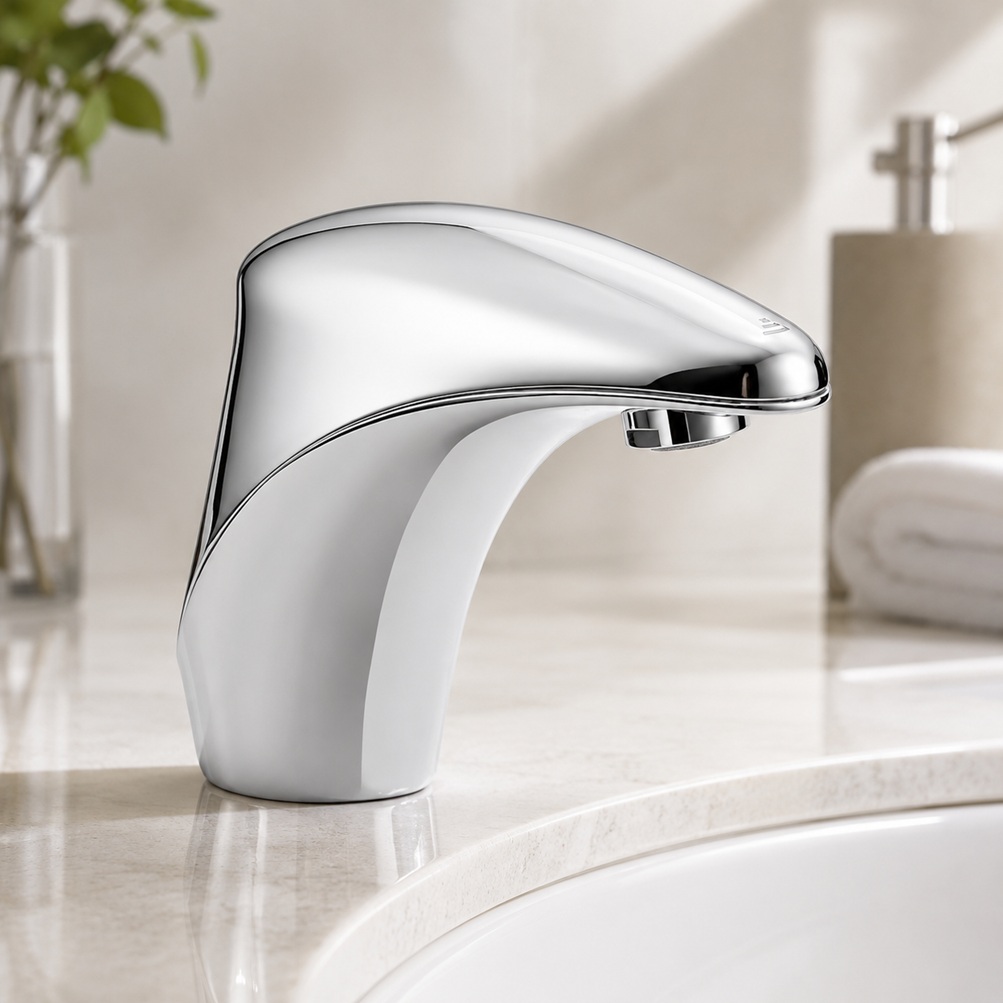
How Smart Restroom Technology Fails Without Reliable Touchless Fixtures
Smart restroom technology has become one of the fastest-growing segments of commercial building infrastructure. Airports, malls, hospitals, office towers, universities, convention centers, and stadiums are increasingly investing in intelligent restroom systems designed to improve hygiene, reduce water waste, monitor occupancy, and automate maintenance operations.
However, many facilities eventually discover a critical operational problem: even the most advanced smart restroom ecosystem becomes unreliable when the touchless fixtures themselves constantly fail.
In real-world public environments, unstable faucets, unreliable sensors, weak solenoid valves, moisture-damaged electronics, and poor maintenance accessibility can undermine the entire restroom technology strategy regardless of how advanced the monitoring platform appears on paper.
The Rise of Smart Restroom Technology
Commercial smart restroom systems expanded rapidly during the 2020s as building operators pursued automation, water efficiency, predictive maintenance, and improved hygiene management.
Modern restroom systems now commonly integrate occupancy sensors, automated flush valves, touchless faucets, digital soap dispensers, maintenance alerts, usage analytics, and IoT-connected plumbing infrastructure.
Facility operators increasingly use these systems to reduce labor costs, optimize cleaning schedules, improve water efficiency, and enhance overall building management visibility.
Why Touchless Faucets Are the Weak Point
Touchless faucets are often one of the most heavily used components inside modern smart restrooms. Unlike occupancy sensors or monitoring dashboards, faucets interact directly with thousands of users every day.
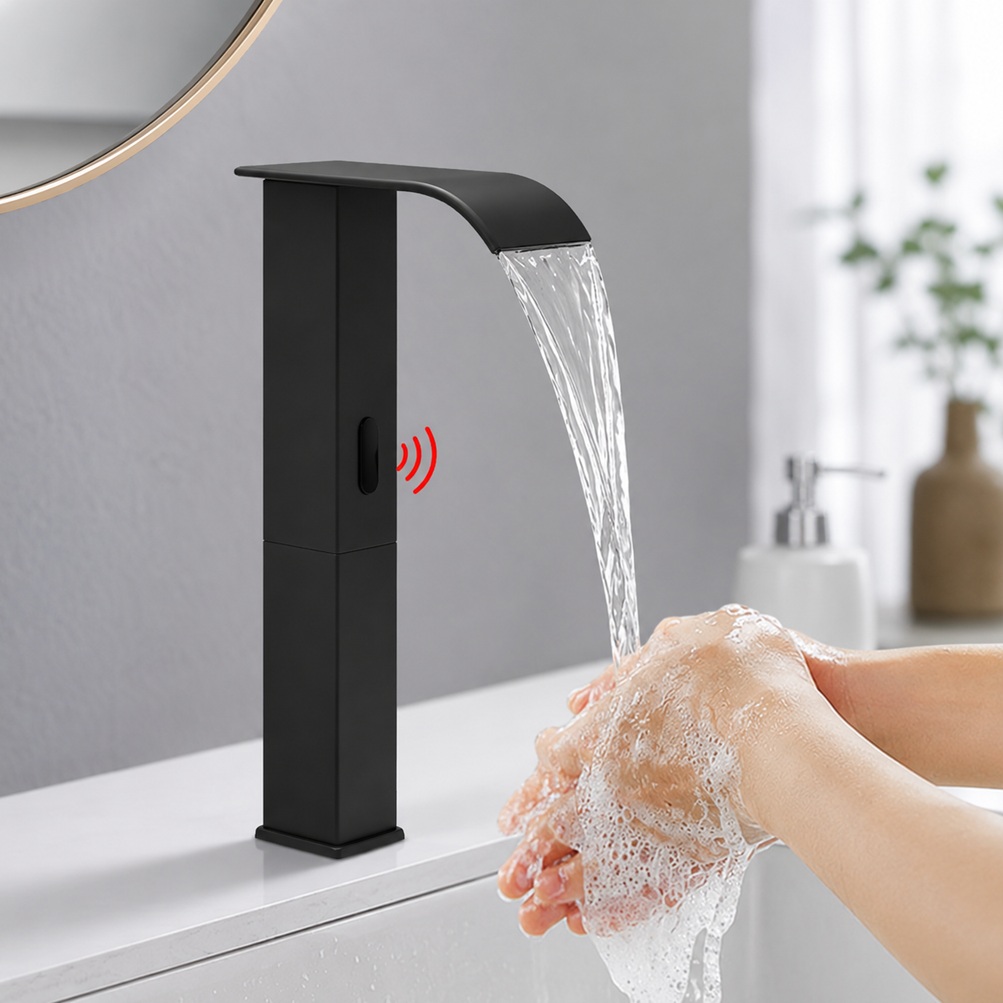
Sensor Instability
False activations, delayed response, and failed infrared detection create immediate user frustration and restroom complaints.
Valve Failures
Cheap solenoid systems often develop leaks, unstable shutoff timing, or continuous water flow under heavy commercial use.
Electronic Corrosion
Humidity, condensation, and poor waterproofing gradually damage control modules and low-voltage electronic systems.
When touchless faucets become unreliable, the entire smart restroom environment begins generating operational complaints regardless of how advanced the surrounding technology ecosystem may be.
How Smart Restrooms Break Down Operationally
Smart restroom infrastructure depends heavily on stable hardware performance. Once fixtures begin failing, automated monitoring systems often become overwhelmed by recurring maintenance alerts and inconsistent operational data.
| Smart Restroom Feature | Dependency | Failure Risk | Operational Consequence |
|---|---|---|---|
| Usage Analytics | Reliable Activation Counts | False Activations | Inaccurate Data |
| Water Monitoring | Stable Valve Operation | Valve Leakage | Water Waste |
| Maintenance Alerts | Accurate Diagnostics | Sensor Instability | Excess Service Calls |
| Hygiene Automation | Reliable User Interaction | Activation Delays | User Frustration |
| Battery Monitoring | Stable Power Systems | Weak Electronics | Unexpected Downtime |
| Predictive Maintenance | Consistent Performance Data | Repeated Failures | Reduced Operational Accuracy |
Many facilities discover that advanced software platforms cannot compensate for unreliable physical restroom hardware.
The Problem With Overcomplicated Systems
Some modern restroom projects prioritize flashy smart features while overlooking long-term maintenance practicality.
App Integration Complexity
Mobile dashboards and cloud monitoring systems add additional software layers that require stable hardware infrastructure underneath.

Too Many Electronic Components
Every additional sensor, display, wireless module, or smart feature introduces new potential failure points.
Maintenance Overload
Facility teams may spend more time troubleshooting interconnected systems than maintaining actual restroom functionality.
Facility managers increasingly report that overly complex restroom systems become difficult to maintain at scale when installed across large commercial properties.
Why Reliability Still Matters Most
Despite rapid smart restroom innovation, the most important user expectation remains simple: the restroom must work consistently every time.
- Reliable water delivery matters more than app dashboards
- Stable sensors reduce restroom complaints
- Heavy-duty valves reduce downtime frequency
- Modular repair systems improve maintenance efficiency
- Waterproof electronics extend operational lifespan
- Simple maintenance access lowers labor costs
Many facility engineers now prioritize durable commercial fixture infrastructure before investing heavily in advanced restroom analytics systems.
Case Study: Airport Smart Restroom Upgrades
Several airport modernization projects installed advanced restroom monitoring systems alongside large-scale touchless fixture upgrades during the early 2020s.
While the analytics platforms performed successfully, many facilities experienced recurring operational problems caused by unstable faucets, false activations, leaking valves, and difficult maintenance access.
After replacing low-grade fixtures with commercial-grade modular faucet systems, many airports reported improved restroom uptime, fewer complaints, and more accurate smart monitoring performance.
Commercial Brands Focused on Reliable Infrastructure
Several commercial plumbing manufacturers increasingly focus on balancing smart technology integration with long-term infrastructure reliability.
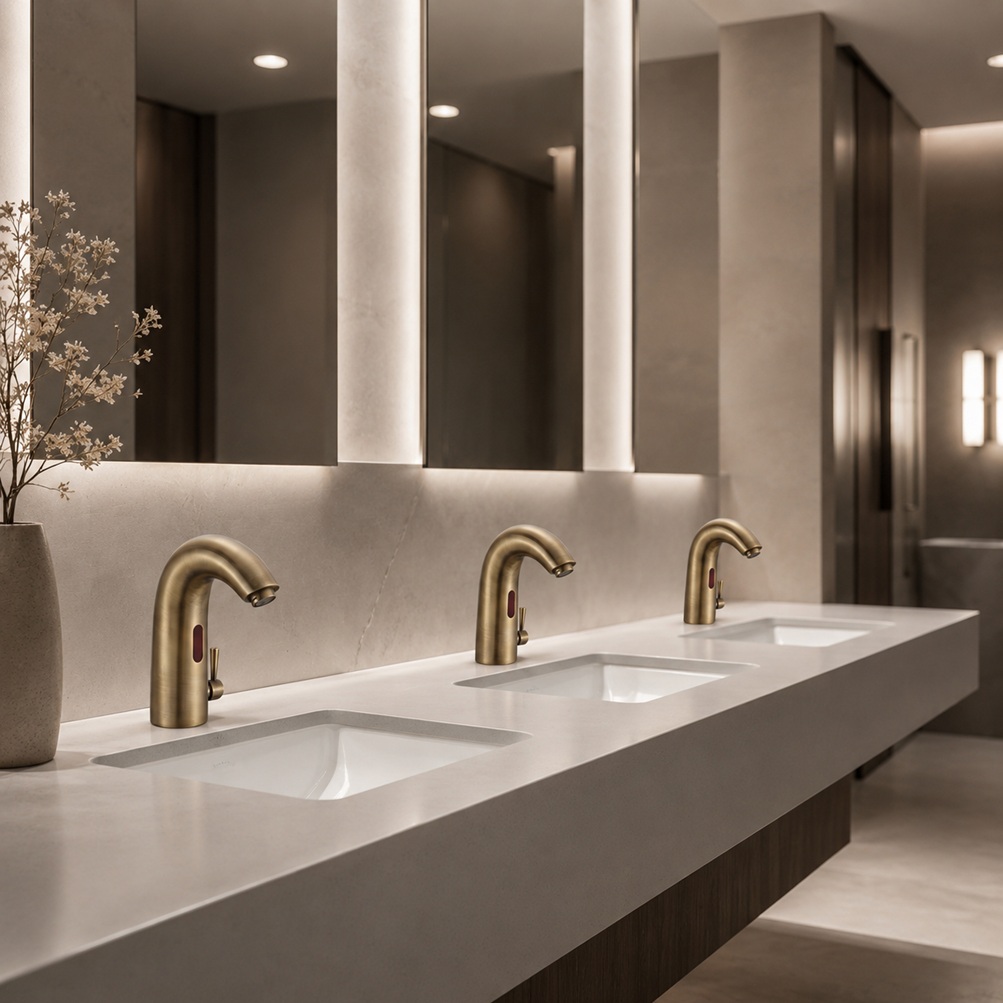
Sloan
Sloan combines smart restroom integration with modular repair systems and stable commercial-grade faucet engineering for transportation and institutional facilities.
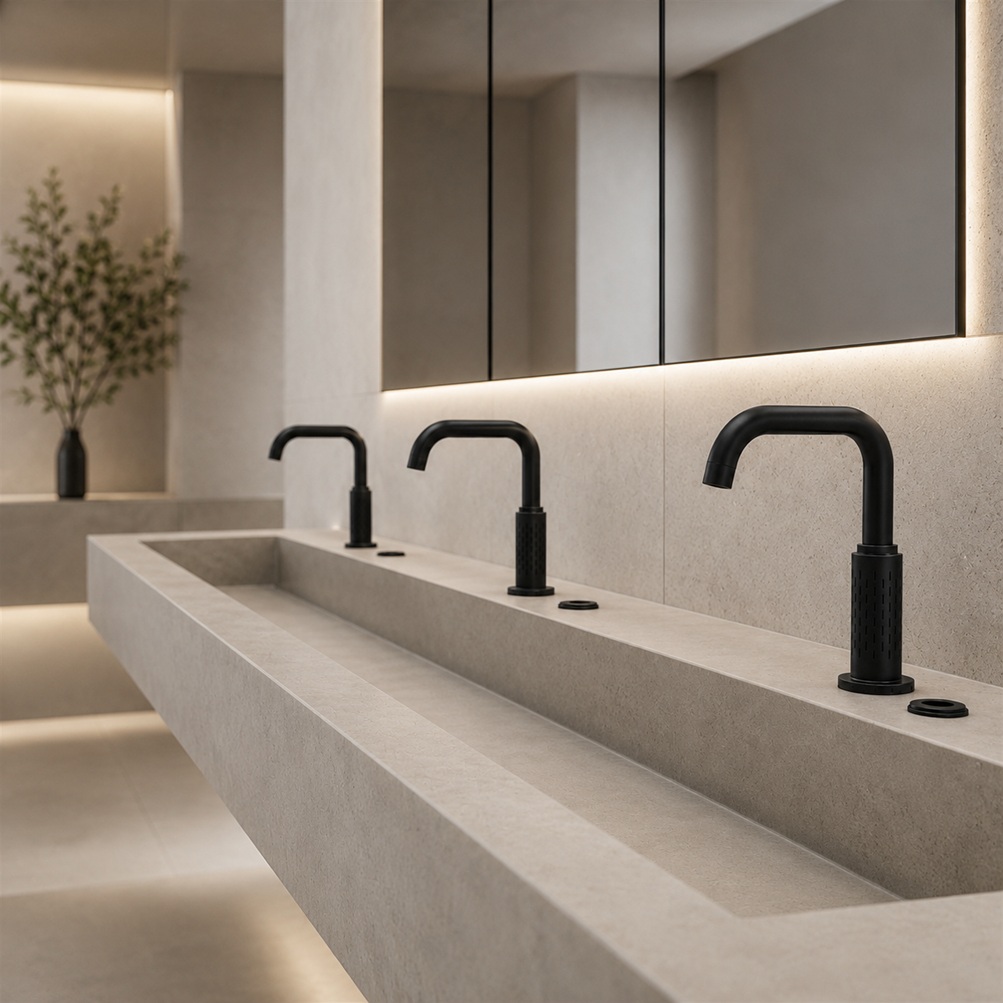
Chicago Faucets
Chicago Faucets focuses heavily on healthcare-grade durability, maintenance accessibility, and institutional reliability.
Zurn
Zurn develops commercial restroom systems emphasizing water management efficiency, modular serviceability, and infrastructure-level durability.
Verified Commercial Faucet Brand References
The following manufacturers actively develop commercial restroom infrastructure systems for airports, hospitals, malls, office towers, schools, stadiums, transportation terminals, and institutional facilities.
The Future of Smart Restroom Infrastructure
Commercial restroom technology will continue evolving toward predictive maintenance, AI-driven analytics, occupancy optimization, and centralized facility management systems.
However, the long-term success of smart restroom infrastructure will still depend heavily on durable valves, reliable sensors, waterproof electronics, and maintenance-friendly fixture engineering.
No smart restroom platform can compensate for unreliable touchless fixtures that constantly fail under the daily realities of commercial restroom operation.
How Smart Restroom Technology Fails Without Reliable Touchless Fixtures
Smart restroom technology promises improved hygiene, predictive maintenance, occupancy analytics, and resource optimization, but these benefits depend entirely on the reliability of the physical fixtures operating beneath the software layer. The positive outcome of deploying dependable touchless bathroom faucets is consistent user satisfaction, accurate usage data, lower maintenance costs, and stronger restroom performance across airports, hospitals, universities, office buildings, and transportation hubs. The negative reality is that unreliable sensors, leaking valves, electronic failures, and poor serviceability can undermine even the most advanced smart restroom platform, generating inaccurate data, excessive maintenance alerts, and user complaints. Advanced solutions such as the touchless faucet with temperature control help support dependable operation, while facility teams can proactively address common maintenance issues through resources such as automatic soap dispenser troubleshooting. Industry guidance from EPA WaterSense, NSF Plumbing Certification, FontanaShowers, Chicago Faucets, and AIA Design for Health continues to reinforce a key specification principle: smart restroom technology delivers its greatest value only when the underlying touchless fixtures remain durable, maintainable, and operationally reliable throughout years of continuous commercial use.
Specification-Ready Sensor Faucets for Commercial Restroom Projects
Fontana commercial touchless faucets are designed for demanding restroom environments where hygiene, water control, durability, accessibility, and facility maintenance all influence long-term performance. In airports, hospitals, universities, hotels, stadiums, office towers, restaurants, and public buildings, sensor faucets should be selected as part of a complete commercial restroom strategy rather than as individual decorative fixtures.
Engineered for Public and High-Use Restrooms
Commercial sensor faucets must support consistent activation, reliable shutoff, efficient water delivery, and durable finish performance under repeated daily use. For architects and MEP teams, the best selections also consider sink geometry, counter depth, power access, ADA reach planning, service access, and maintenance expectations.
When touchless faucets are standardized across a facility, ownership teams can simplify replacement parts, reduce troubleshooting confusion, improve staff training, and create a more consistent restroom experience for users.
Finish Coordination for Architectural Interiors
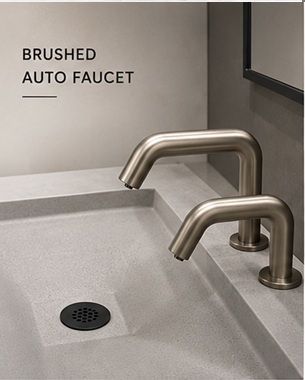
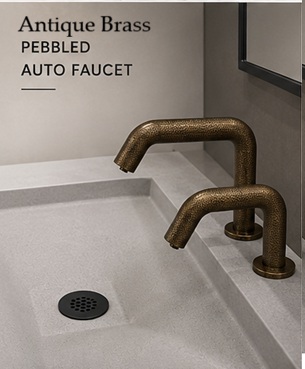
Fontana commercial touchless faucets can support different architectural design directions through coordinated finish selection. Chrome, brushed nickel, matte black, gold, oil-rubbed bronze, and antique brass finishes can be selected to match the surrounding sink, counter, mirror, lighting, soap dispenser, and accessory package.
For multi-restroom buildings, finish consistency is not only visual. It also affects replacement planning, brand continuity, maintenance familiarity, and the ability to keep public restroom environments looking clean and professionally maintained over time.
Related Commercial Touchless Faucet Resources
-
Commercial Touchless Bathroom Faucets
Review commercial sensor faucet options designed for hospitals, airports, schools, hospitality properties, office towers, and public restrooms. -
Commercial Sink Faucets
Explore commercial lavatory faucet solutions suitable for architects, plumbing engineers, contractors, and facility management teams. -
Commercial Sensor Faucets by Finish
Compare finish options for commercial sensor faucets where design consistency and long-term replacement planning matter. -
Touchless Faucets and Water Usage
Understand how sensor faucet operation can support water efficiency, automatic shutoff, and improved restroom performance. -
Quality and Durability Guide
Useful for reviewing fixture construction, finish durability, serviceability, and lifecycle performance in high-traffic applications.